
As an Amazon Associate, RacketEdge earns from qualifying purchases. Affiliate Disclosure
Are you tired of reading manufacturer brochures that promise "explosive power and surgical control" for every single frame? You are not alone. Finding the best tennis rackets requires getting out on the court and actually hitting with them. A spreadsheet full of swing weights and stiffness ratings will never tell you how a racket feels when you are stretching for a wide backhand at 5-all in the third set.
At RacketEdge, we believe in real-world testing. Last month, I took the most hyped 2026 releases to my local hard courts. I strung them all at 52 pounds with identical polyester string to level the playing field. I tested them for grip stability on heavy serves, arm comfort during grueling baseline rallies, and sheer power. I even measured topspin generation using a smart sensor on my racket butt cap. My findings surprised me. The frame I thought I would love felt stiff and unyielding, while a racket I previously ignored ended up staying in my tennis bag.
Whether you are a beginner learning your first forehand or an advanced tournament grinder seeking precision, we found a match for you.
Quick Summary: The Winners
| Category | Racket Model | Why We Picked It | Check Price |
|---|---|---|---|
| Best for Pros | Wilson Pro Staff 97 v14 | Surgical precision & classic feel. | Amazon |
| Best for Spin | Yonex VCORE 100 | Aerodynamic shape bites the ball. | Amazon |
| Best for Comfort | Wilson Clash 100 Pro v2 | The most arm-friendly racket we tested. | Amazon |
| Best Lightweight | Yonex EZONE 98L | Fast swing speed for rising players. | Amazon |
| Best for Beginners | Babolat Pure Drive 107 | Massive sweet spot; very forgiving. | Amazon |
| Best for Control | Babolat Pure Strike | Stable feel for aggressive baseliners. | Amazon |
| Best Modern Feel | Head Boom MP | Easy power and soft feedback. | Amazon |
1. Wilson Pro Staff 97 v14
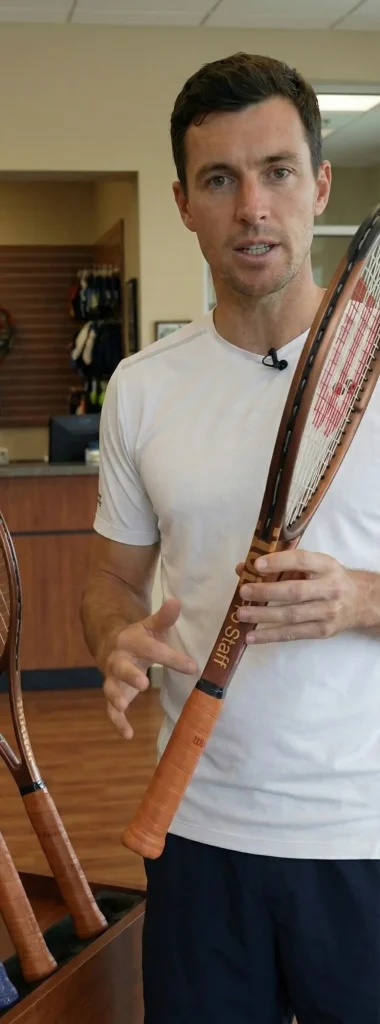
The moment you pick up the Wilson Pro Staff 97 v14, you know it means business. This is a heavy, head-light frame designed specifically for advanced players who generate their own pace.
On groundstrokes, the "Braid 45" construction feels incredibly stable. During my testing, I tried blocking back 110 mph first serves. The racket absolutely refused to twist in my hand. The feedback is phenomenally crisp. You know exactly where the ball is going the millisecond it leaves the string bed. The String Mapping technology, which condenses the strings slightly in the middle of the racket, gave me surgical control on flat drives down the line. I felt like I could hit a dime from the baseline.
The negative side is the margin for error. It is completely unforgiving. If you are late on your swing or hit the ball off-center, the shot will drop directly into the bottom of the net. Beginners will find it far too heavy and dead-feeling.
Pros:
- Incredible stability against heavy pace.
- Surgical precision for flat hitters.
- Beautiful, classic cosmetic design.
Cons:
- Very small sweet spot.
- Too demanding for intermediate players.
2. Yonex VCORE 100
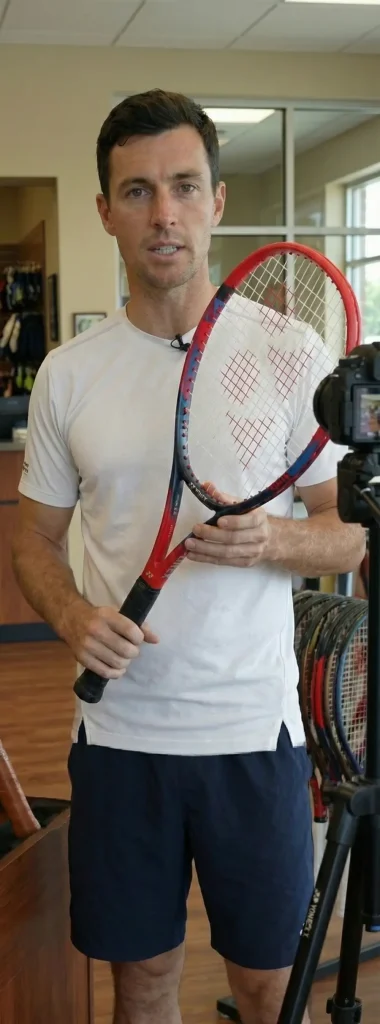
If you want to hit heavy topspin like modern ATP pros, the Yonex VCORE 100 is essentially a cheat code. The frame shape is highly aerodynamic, cutting through the air faster than traditional box-beam rackets.
During our playtest, I compared it directly to the Babolat Pure Aero. The VCORE felt much more forgiving. Yonex’s signature Isometric head shape creates a massive sweet spot near the top of the hoop. I attached my sensor and measured an average of 2,400 RPMs on my forehand, a noticeable increase over my usual setup. It offers "free power." You swing the racket, and the ball rockets off the strings deep into the court.
However, it can sometimes feel too powerful. If you have a flat, linear swing path, you will likely launch balls past the baseline. You must use topspin to bring the ball down.
Pros:
- Massive topspin generation.
- Isometric head shape expands the sweet spot.
- Fast, aerodynamic feel through the air.
Cons:
- Tends to launch flat shots long.
3. Wilson Clash 100 Pro v2
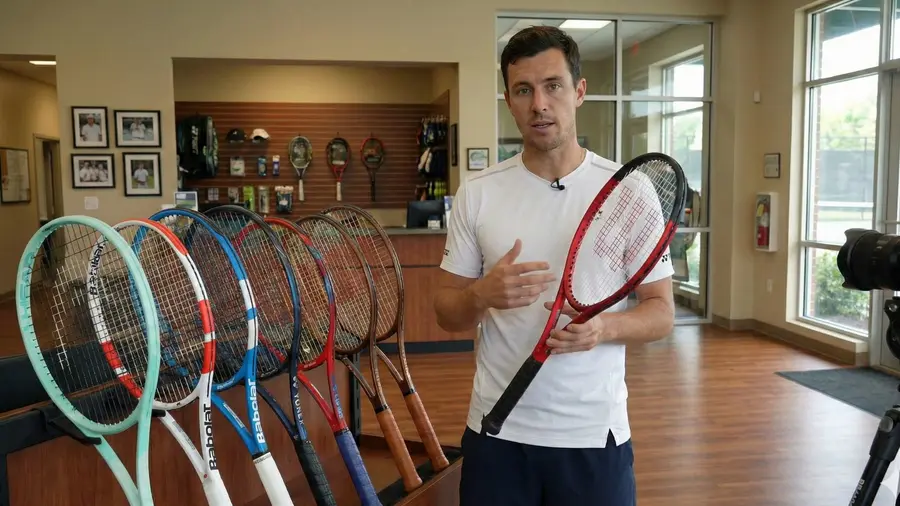
The Wilson Clash 100 Pro v2 is completely unique. If you suffer from arm pain, this is the most important racket on this list. It is famous for one specific trait: extreme flexibility.
Thanks to the "FORTYFIVE" frame technology, the racket bends significantly upon impact. I hit with this racket for three hours straight without feeling a hint of fatigue in my wrist or elbow. It creates an incredibly soft, plush feel that absorbs almost all harsh vibrations. You can learn more about arm safety in our dedicated guide to the best tennis rackets for tennis elbow. Despite this flexibility, it remains surprisingly stable during heavy baseline trading.
The downside is a lack of crispness at the net. The extreme flex makes volleying feel vague. You do not get the sharp "point-and-shoot" feedback you get with stiffer rackets like the Pro Staff.
Pros:
- The most comfortable racket available today.
- Low RA rating protects the elbow.
- Great mix of power and flex.
Cons:
- Vague feeling on touch volleys and drop shots.
4. Yonex EZONE 98L
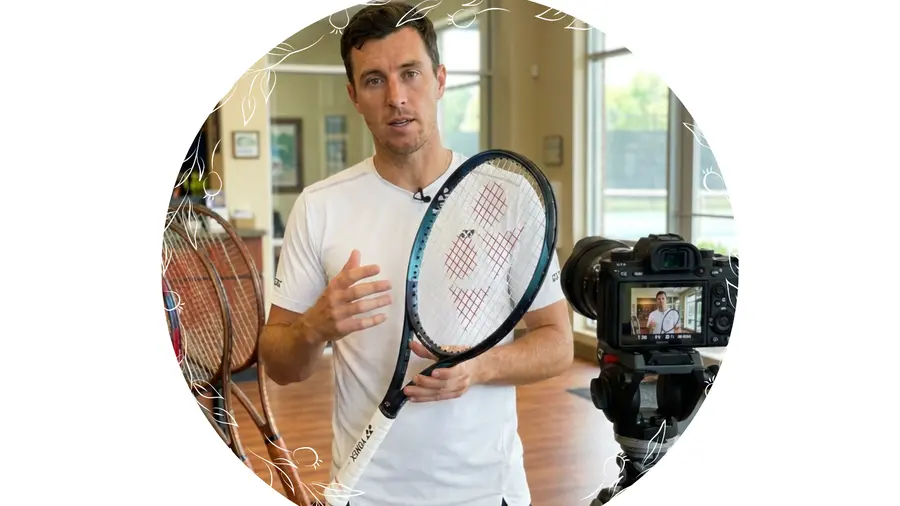
The "L" in this racket stands for Light, and you feel it immediately. Weighing just 285g unstrung, the Yonex EZONE 98L is lightning fast through the air.
I handed this frame to a 14-year-old junior player transitioning from a 26-inch racket. The lighter weight allowed him to generate massive racket head speed on his forehand without fatiguing his shoulder. The M40X graphite located in the throat gives the frame unexpected stability. Even though it is light, it does not flutter wildly on impact. It is precise enough for sharp volleys but powerful enough to hit clean winners from the back of the court. We reviewed the heavier version in our Yonex EZONE 100 review.
The negative side is inherent to its weight. Because it is so light, it gets pushed around by heavy hitters. If you try to return a booming 115 mph flat serve, the racket will recoil in your hand.
Pros:
- Ultra-fast swing speed.
- Perfect for juniors transitioning to adult frames.
- Comfortable, plush response.
Cons:
- Lacks mass to handle very heavy pace.
5. Babolat Pure Drive 107
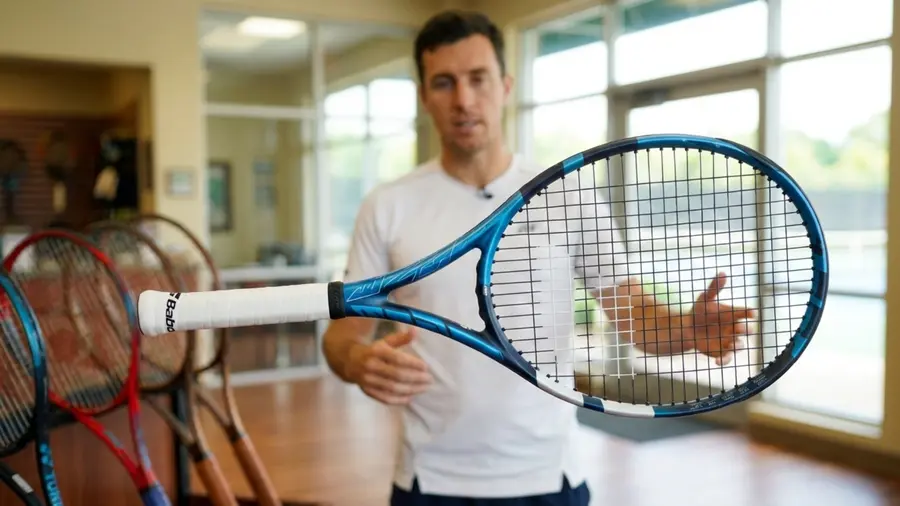
If you are just starting your tennis journey, or if you play primarily senior doubles, the Babolat Pure Drive 107 is your absolute best friend.
The oversized 107-square-inch head provides a massive target. I intentionally hit balls near the frame during my test, and the ball still cleared the net with decent pace. It is incredibly forgiving. The SWX Pure Feel technology dampens the vibration so the racket sounds solid rather than tinny upon impact. Furthermore, the slightly extended length (27.2 inches) gives you extra reach on wide volleys and added leverage on your serves.
The drawback is a total lack of control. If you take a full, fast swing like a tour pro, you will launch the ball straight into the back fence. You must rely on short, compact swings to keep the ball in play.
Pros:
- Massive sweet spot eliminates mishits.
- Free, effortless power.
- Extended length improves serving leverage.
Cons:
- Almost impossible to control with fast swings.
- Can feel clunky at the net.
6. Babolat Pure Strike
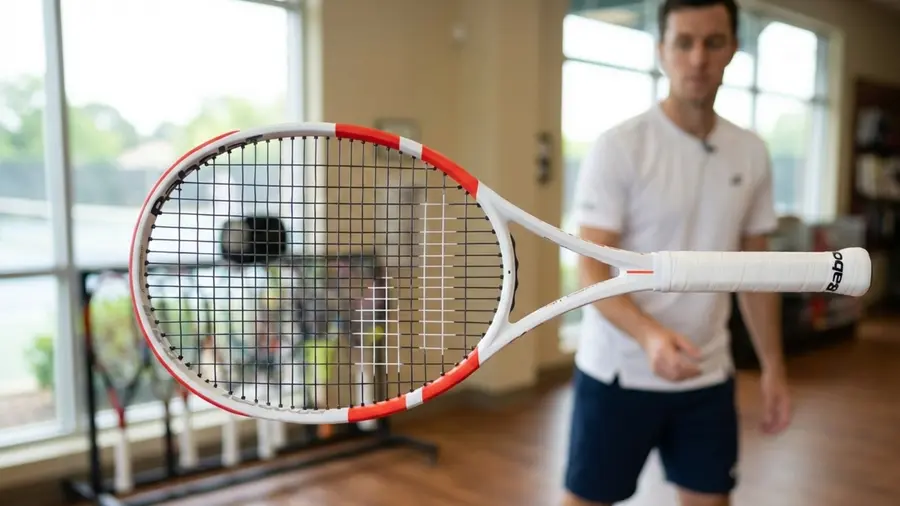
Often called the "Project One7," the Babolat Pure Strike is a brilliant modern control frame. It sits perfectly in the middle ground between the raw power of the Pure Drive and the demanding precision of the Pro Staff.
It features a hybrid frame shape that mixes square and elliptical beam designs. This gives you fantastic stability without feeling like a plank of wood. On the court, I found it perfect for "First Strike" tennis. I would hit a big serve, step into the court, and finish the point with a driving flat forehand. It feels sharper and crisper than the Wilson Clash, providing excellent feedback.
The downside is comfort. It is significantly stiffer than the Clash or the Blade. If you string it tightly with a rigid polyester, you might experience some arm fatigue after a long three-set match.
Pros:
- Excellent blend of modern power and control.
- Very stable for aggressive baseline hitting.
- Crisp, clean feedback.
Cons:
- Stiffer frame can be harsh on the arm.
7. Head Boom MP
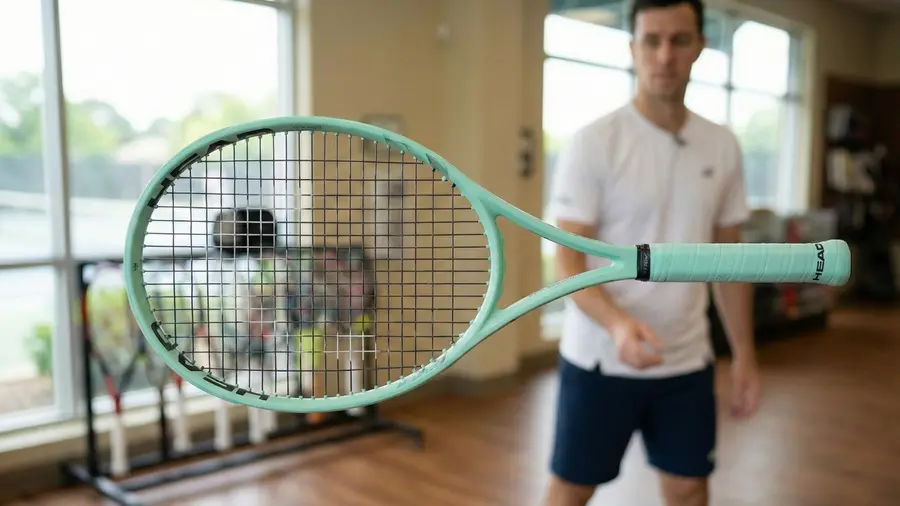
The Head Boom MP is the most "fun" racket I tested this year. It features a totally unique head shape that widens significantly at the top of the hoop. This is exactly where modern players make contact with the ball.
The Auxetic construction located in the yoke gives it a sensational feel. It feels flexible, yet the ball jumps off the strings with real power. I found it exceptionally easy to swing. It does not demand perfect footwork or elite technique; it just helps you get the ball deep over the net. It is a fantastic "all-day" racket that will not tire you out during weekend tournaments.
Similar to the Yonex VCORE, the Boom MP can be a bit launchy. If you try to flatten out a short ball, you might struggle to keep the trajectory low enough to stay inside the baseline.
Pros:
- Widened top hoop expands the upper sweet spot.
- Auxetic technology provides a plush feel.
- Very easy to swing and maneuver.
Cons:
- Can launch flat shots unpredictably.
Buying Guide: How to Choose the Right Frame
Do not get lost in the spreadsheets. A racket's specs only matter if you understand how they affect your swing. Here are the three factors that actually change how you play.
1. Head Size: The Forgiveness Factor
Think of your racket's head size like a dartboard.
- 100+ sq in (Oversize): A bigger board is much harder to miss. These rackets provide a trampoline effect, offering free power. They are perfect for beginners or older players who need help generating pace.
- 98 sq in or less (Midplus): A smaller board requires better aim. However, if you hit the bullseye, it rewards you with pinpoint accuracy. These are strictly for advanced players who hit the center of the strings every single time.
2. Weight: Stability vs. Speed
Weight is the most misunderstood spec in tennis.
- Light (Under 285g): Lighter frames are incredibly easy to swing fast. They prevent shoulder fatigue. However, they lack mass. If you try to return a heavy shot, a light racket will twist violently in your hand.
- Heavy (Over 300g): Heavy rackets feel solid like a rock. They "plow through" the ball, absorbing impact and providing stability. But you must possess the physical strength to swing a heavy frame for two hours without dropping your racket head speed.
3. Grip Size: The Blister Test
Playing with the wrong grip size will ruin your technique and cover your hands in blisters. If the grip is too small, the racket will twist in your hand when you hit off-center. If the grip is too big, you will not be able to snap your wrist naturally on serves.
The Quick Test: Hold the racket handle using your normal forehand grip. You should be able to slide your index finger (from your non-hitting hand) into the gap between your fingertips and the base of your palm. Most men use a 4 3/8 size, while most women prefer a 4 1/4. You can find more sizing tips on the USTA Equipment guidelines.
Frequently Asked Questions
Use the index finger test mentioned above. If you are stuck between two sizes, always buy the smaller grip size. You can easily add a cheap overgrip to a small handle to make it thicker, but you cannot shave down a handle that is too big.
In my testing, the Babolat Pure Drive and the Yonex EZONE series consistently delivered the most "free power." They feature thicker, stiffer beams that act like a diving board, doing the work for you. If you have a slow, compact swing, these frames will help you hit the ball deep.
A classic rule of thumb is to restring your racket as many times per year as you play per week. If you play three times a week, restring three times a year. However, if you use [expert tennis strings](/posts/besttennisstringsexpertschoice) like polyester, you must restring every four to six weeks. Polyester strings go "dead" and lose tension rapidly, which can lead to arm pain.
Beginners should always start lighter (under 290g). A light frame helps you learn proper swing mechanics without tiring your shoulder. Advanced players must go heavier (305g+). Mass equals stability, and you need that mass to handle the heavy pace of competitive tennis.
If you are totally unsure, ask your stringer for 53 pounds. It is the perfect middle ground. If you want more power, drop the tension to 4850 pounds so the strings stretch more. If you want more control, raise the tension to 56 pounds for a stiffer, precise response.