As an Amazon Associate, RacketEdge earns from qualifying purchases. Affiliate Disclosure
If you watch any professional tennis tournament, you will see the iconic red "W" stenciled on the strings of countless rackets. From Roger Federer's surgical precision to Serena Williams's baseline power, the best Wilson tennis rackets have shaped the modern game.
But which one is right for you? A few years ago, I bought a heavy Wilson Pro Staff purely because I wanted to play like Federer. It was a disaster. I did not have the footwork or the fast swing speed required to handle that frame. My shots landed constantly in the net, and my shoulder throbbed for days afterward. I learned the hard way that you must match the racket to your actual skill level, not your aspirations.
Last month, I gathered the newest 2026 Wilson releases and tested them side-by-side at my local club. I evaluated them for power, arm comfort, and spin generation. Whether you are a beginner looking for free power or an advanced player needing absolute control, here are the top Wilson frames on the market.

Quick Summary: The Wilson Family Tree
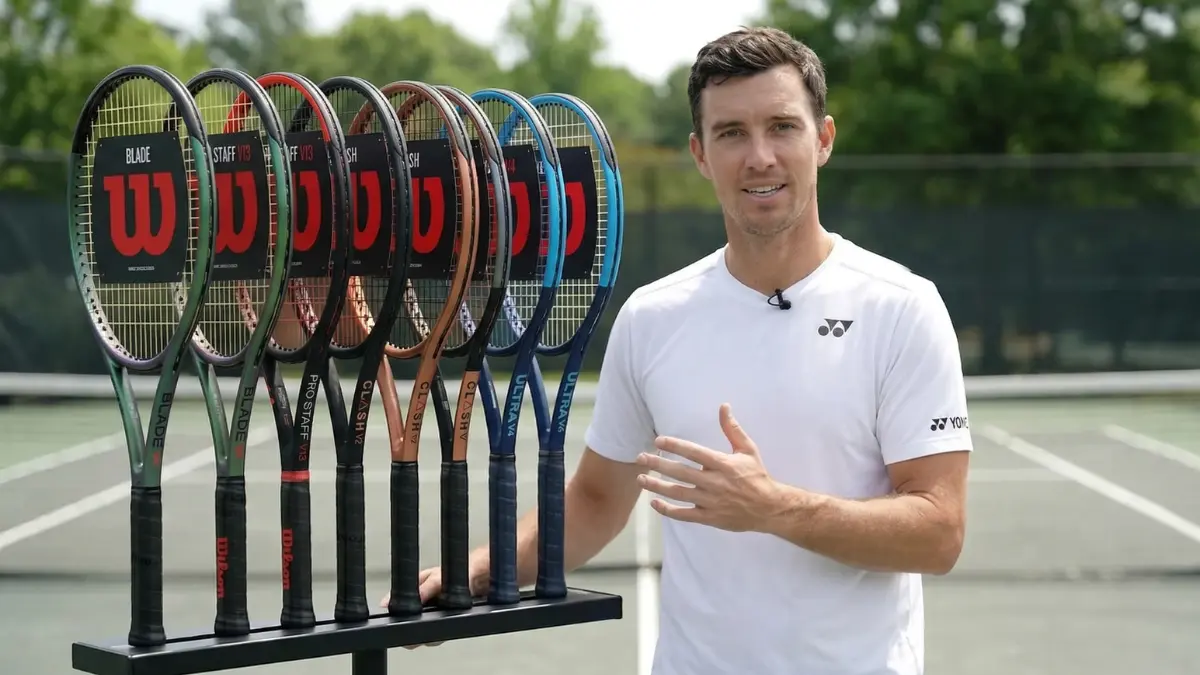
Wilson organizes its rackets into distinct "families." Each family serves a completely different playing style.
| Category | Racket Model | Why I Picked It | Check Price |
|---|---|---|---|
| Best Overall (Flex) | Wilson Clash 100 v2 | Unmatched arm comfort and flexible power. | Amazon |
| Best for Control | Wilson Blade 98 v9 | The ultimate choice for precision baseline hitting. | Amazon |
| Best for Power | Wilson Ultra 100 v4 | Explosive power and a huge, forgiving sweet spot. | Amazon |
| Best for Spin | Wilson Shift 99 | Innovative string bed design grabs the ball. | Amazon |
| Best for Advanced | Wilson Pro Staff RF97 | Heavy, stable, and highly demanding. | Amazon |
| Best for Seniors | Wilson Triad Five | Maximum shock absorption and an oversized head. | Amazon |
| Best for Beginners | Wilson Clash 108 v2 | Huge head size makes tennis incredibly easy. | Amazon |
1. Wilson Clash 100 v2 - Best Overall
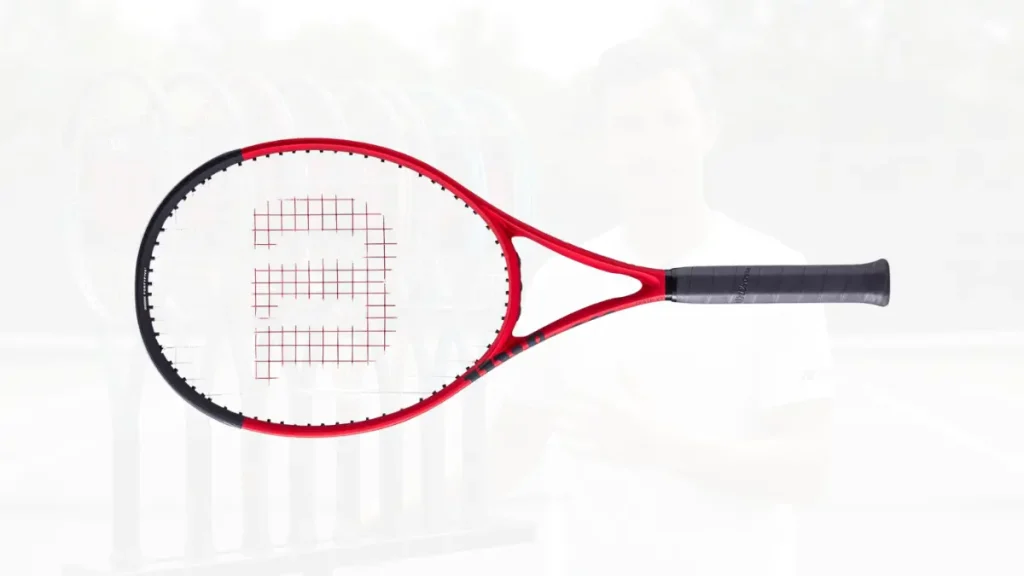
The Wilson Clash series completely disrupted the tennis industry when it launched. Traditionally, rackets were either stiff (which provided power but hurt your arm) or flexible (which protected your arm but felt weak). The Clash 100 v2 manages to offer both.
The secret is the "FORTYFIVE" carbon mapping. I playtested this against a stiff Babolat Pure Drive. The difference in comfort is staggering. When you strike the ball, you actually feel the Clash frame bend backward, absorbing the harsh impact shock. Then, it snaps forward, launching the ball with surprising pace. It is easily the best tennis racket for tennis elbow on the market today. It feels incredibly plush and forgiving.
The downside to this extreme flexibility is a lack of crisp feedback. When you are up at the net trying to hit a delicate touch volley, the racket bends so much that it feels slightly "mushy." You do not get the sharp, exact feeling you get with the Blade.
Pros:
- Unmatched arm comfort and shock absorption.
- Excellent blend of free power and control.
- Very maneuverable from the baseline.
Cons:
- Vague feeling on touch volleys.
- Paint chips easily on the frame.
2. Wilson Blade 98 v9 - Best for Control
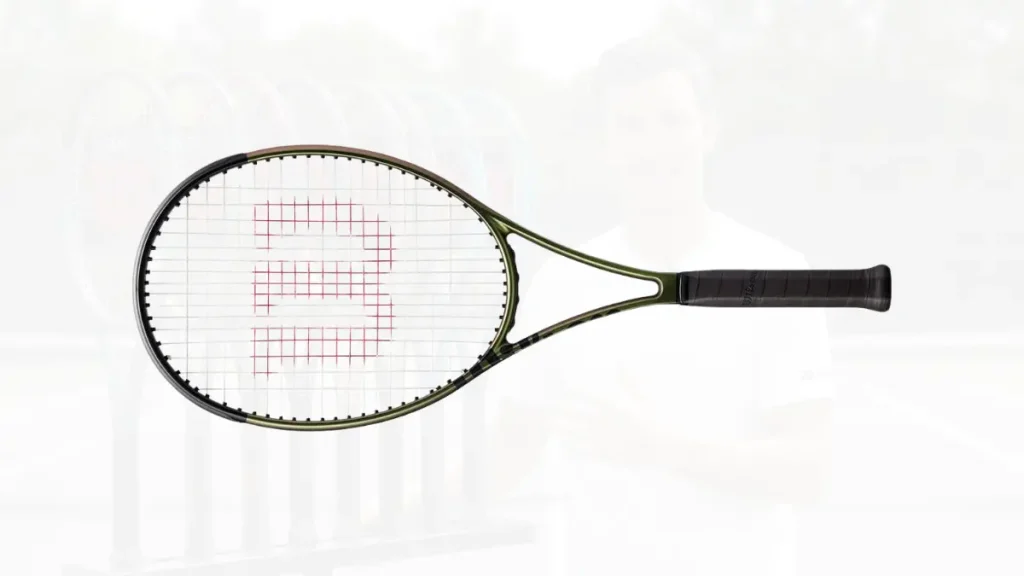
If you look closely at the rackets used by touring professionals, you will see a massive number of them holding the Wilson Blade. The v9 iteration introduces "StableFeel" technology, making it slightly firmer and more stable than the previous versions.
This racket prioritizes absolute control and pinpoint precision. I tested the 16x19 string pattern version. The frame is exceptionally thin, which allows it to cut through the air quickly. When I stepped into the court to flatten out a forehand, the Blade rewarded me with surgical accuracy. The feedback is crisp and direct. You always know exactly where the ball is going.
You must bring your own power. The Blade is not a "free power" frame like the Ultra. If you have a short, slow swing, your shots will land consistently inside the service line, allowing your opponent to attack you easily.
Pros:
- Professional-level control and precision.
- Excellent stability on heavy groundstrokes.
- Great feel and feedback.
Cons:
- Requires full, fast swings to generate depth.
- Small sweet spot demands good footwork.
3. Wilson Ultra 100 v4 - Best for Power
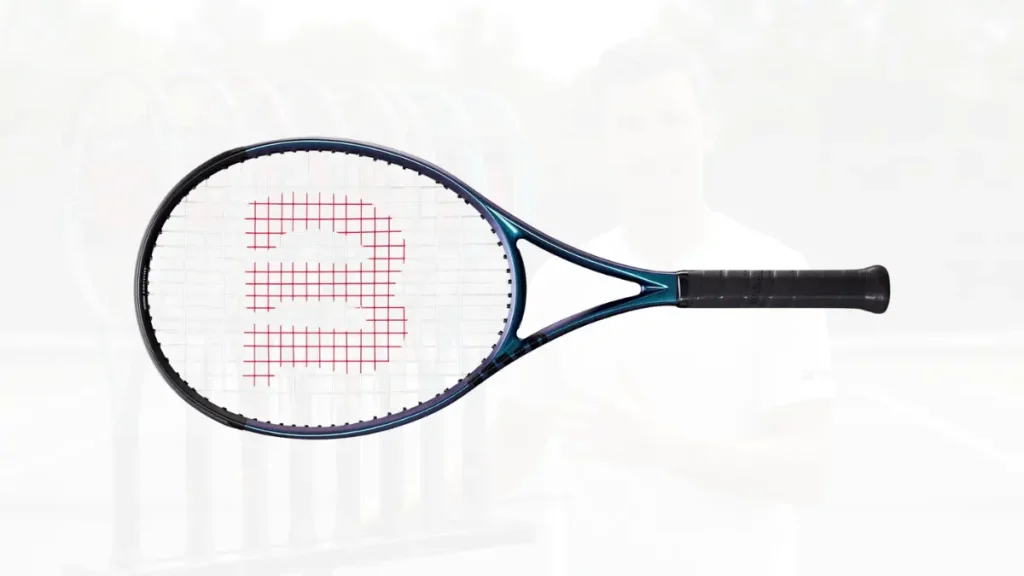
The Wilson Ultra 100 v4 is an absolute rocket launcher. If you are tired of your opponents pushing you around the court, this frame will help you fight back with massive baseline power.
The Ultra features a much thicker, stiffer beam than the Blade or the Clash. I set up a ball machine to feed me heavy topspin shots. With the Ultra, I barely had to swing to send the ball deep back into the court. The frame simply does not yield upon impact. It acts like a stiff diving board, transferring all the energy straight back into the ball. The sweet spot feels enormous. Even when I miss-hit the ball near the edge of the frame, the shot still cleared the net with decent pace.
The problem with all that stiffness is arm fatigue. The Ultra transmits significantly more shock to your wrist and elbow than the Clash. I highly recommend stringing it with a soft tennis string like a multifilament to protect your tendons.
Pros:
- Explosive, effortless power generation.
- Huge, forgiving sweet spot.
- Highly stable against heavy pace.
Cons:
- Stiff frame can be harsh on the arm.
- Hard to control if you over-swing.
4. Wilson Shift 99 - Best for Spin
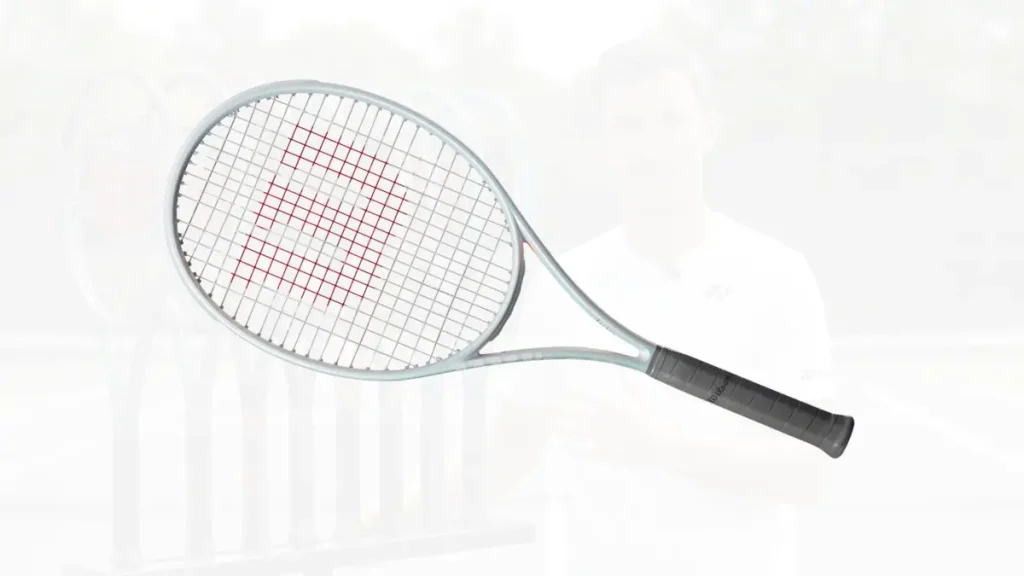
The Shift is Wilson's newest franchise, designed specifically for the modern game. Today's players hit the ball with heavy topspin to keep it inside the lines. The Wilson Shift 99 is engineered entirely around maximizing that spin.
Wilson designed the frame to bend laterally (side-to-side) much more than it bends horizontally. I attached a topspin tracker to the butt cap of this racket during a practice session. My forehand RPMs were consistently higher with the Shift than with the Blade. The ball seems to sit on the string bed for an extra millisecond before launching, allowing you to "brush" up the back of the ball aggressively.
It feels slightly strange at first. The lateral bending creates a unique sensation that takes a few hours to get used to. It is not as crisp as the Pro Staff, nor as plush as the Clash. It sits in a weird middle ground.
Pros:
- Innovative lateral bending increases topspin.
- Great balance of modern power and control.
- Very fast swing weight.
Cons:
- Unique feel requires an adjustment period.
5. Wilson Pro Staff RF97 - Best for Advanced Players
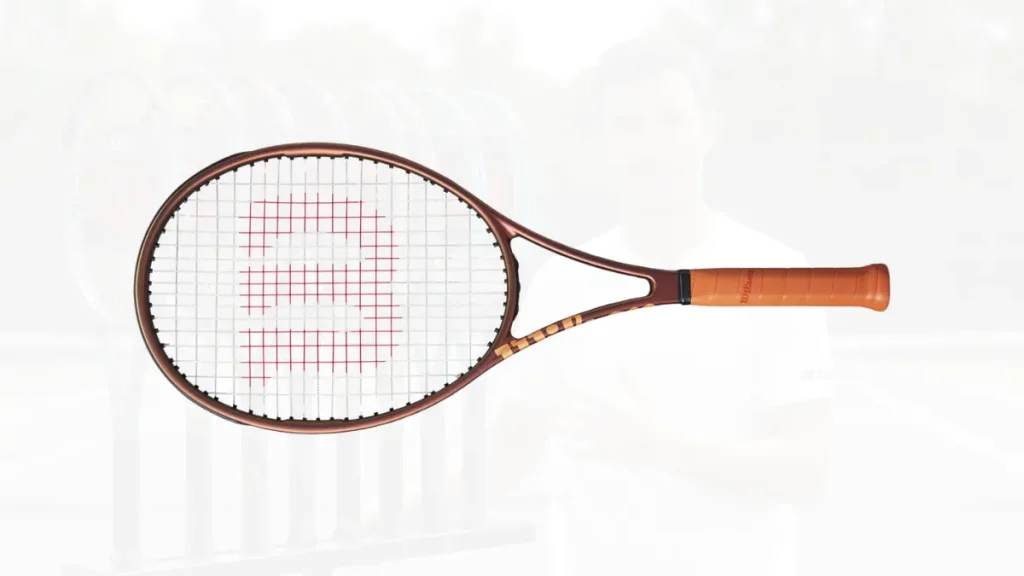
This is the legendary signature racket of Roger Federer. The Wilson Pro Staff RF97 is a heavy, demanding, and utterly brilliant piece of equipment—if you have the skills to wield it.
Weighing in at a massive 340g unstrung (roughly 360g with strings and overgrip), it is a beast. The classic box-beam construction provides incredible stability. I tried blocking back 110 mph first serves, and the racket absolutely refused to twist in my hand. The mass simply "plows through" the ball. The feedback is phenomenally crisp. You feel completely connected to every single shot.
This racket is entirely unforgiving. If you are late on your swing, or if you hit the ball slightly off-center, the shot is ruined. Furthermore, the sheer weight will exhaust your shoulder if you are not physically strong enough to swing it for a two-hour match.
Pros:
- Unmatched stability against heavy pace.
- Surgical precision and crisp feedback.
- Massive plow-through on groundstrokes.
Cons:
- Extremely heavy and tiring to swing.
- Highly unforgiving sweet spot.
6. Wilson Triad Five - Best for Seniors
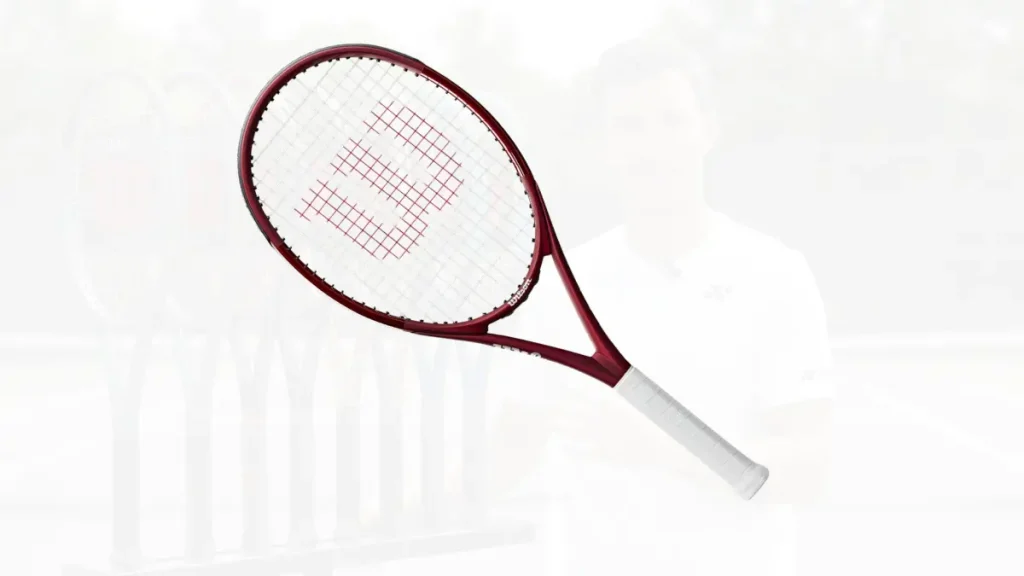
If you are an older player suffering from joint pain, or if you play primarily senior doubles, the Wilson Triad Five is a lifesaver. It is specifically engineered to eliminate shock.
The racket utilizes "Triad" technology, which literally separates the hoop of the racket from the handle with a layer of shock-absorbing polymer. This physical separation prevents harsh vibrations from traveling down the shaft into your hand. I had a 65-year-old student test this frame. He praised the oversized 103-square-inch head, which provided a massive margin for error on his volleys. The racket does all the work for you.
Because the hoop is physically separated from the handle, you lose almost all tactile feedback. The racket feels very muted. You will not be able to hit delicate drop shots with any precision.
Pros:
- Triad technology absorbs massive amounts of shock.
- Oversized head provides easy power and forgiveness.
- Lightweight and easy to maneuver.
Cons:
- Extremely muted, disconnected feel.
- Poor control for fast swings.
7. Wilson Clash 108 v2 - Best for Beginners
Learning tennis is frustrating enough without having to worry about hitting the exact center of the racket every time. The Wilson Clash 108 v2 is the ultimate "cheat code" for new players.
It takes the incredible arm-friendly flexibility of the standard Clash and applies it to a massive 108-square-inch head size. This creates an enormous sweet spot. You can completely miss the center of the strings, and the ball will still pop over the net with decent pace. It is also incredibly light, allowing beginners to learn proper swing mechanics without getting tired early in the session. I consider it one of the best beginner tennis rackets available.
As your skills improve, you will quickly outgrow this frame. The huge head size and light weight make it almost impossible to control the ball once you start taking full, aggressive swings.
Pros:
- Massive 108 sq in head makes tennis incredibly easy.
- Highly flexible and comfortable.
- Lightweight and easy to swing.
Cons:
- Very poor control.
- You will outgrow it as you improve.
Buying Guide: How to Choose Your Wilson Racket
Do not buy a racket just because you like the paint job. You must understand how the specs align with your current skill level. Here is exactly what you need to look for.
1. Identify Your Family
Wilson makes it easy by categorizing their rackets into distinct families:
- Clash: Flexibility, comfort, and arm health. Perfect for players with joint pain or those who want an easy, plush feel.
- Blade: Control and feel. Perfect for intermediate-to-advanced players who take big swings and want precision.
- Ultra: Power and stiffness. Perfect for players with slower swings who need the racket to generate depth for them.
- Pro Staff: Precision and tradition. Perfect for highly advanced players who hit the ball perfectly on the sweet spot every time.
2. Head Size Matters
Think of the racket head like a target.
- Oversize (104+ sq in): A massive target. It provides a huge trampoline effect for free power and is very forgiving. Best for beginners and older players.
- Midplus (98-100 sq in): The modern standard. It offers a great balance of power and control. Best for 90% of club players.
- Midsize (97 sq in or less): A tiny target. It offers zero free power but gives you surgical control. Strictly for advanced players.
3. Weight and Stability
Weight is the most misunderstood specification in tennis. Beginners should always start with a light racket (under 285g unstrung) so they can learn the swing path without fatigue. However, advanced players must use heavier rackets (300g+).
When a heavy tennis ball hits a light racket, the racket twists violently, sending shock straight into your elbow. A heavy racket provides mass-based stability. It plows through the ball, absorbing the impact and protecting your arm. You should play with the heaviest racket you can comfortably swing for a two-hour match. You can read more about selecting racket weight on the ATP Tour Equipment guide.
Frequently Asked Questions
The Wilson Clash series is the absolute best choice for tennis elbow. The Clash 100 v2 features an incredibly low stiffness rating. The frame bends deeply upon impact, absorbing the harsh shock vibrations before they can travel up your arm and aggravate your tendons.
They are complete opposites. The Clash is highly flexible, meaning it bends to provide comfort and control. The Ultra is highly stiff, meaning it does not bend. Instead, the Ultra acts like a solid wall, transferring all energy back into the ball to provide massive, effortless power.
No, the Pro Staff is a terrible choice for beginners. It features a very small head size (97 sq in) and a heavy frame. It is entirely unforgiving. If a beginner uses a Pro Staff, they will mishit the ball constantly, leading to frustration and potential arm injuries. Beginners should look at the Clash 108 or the Ultra 100L.