Best Hybrid String Setup: Spin & Control Guide
Disclosure: Outbound buttons on this roundup guide route to Amazon via our secure redirect logs. RacketEdge is an Amazon Associate and earns from qualifying purchases. We playtest every frame.
For decades, tennis players strung their rackets with a "full bed"—using the exact same string type for both the vertical main strings and the horizontal cross strings. But the rise of modern co-polyester strings changed everything. Stiff polyesters provide incredible spin and control, but they are harsh on the joints. Soft natural gut provides incredible feel and power, but it lacks control.
The solution is the best hybrid string setup. By stringing the vertical mains with one string and the horizontal crosses with another, you can customize your string bed to provide the perfect balance of power, spin, control, and comfort.
I spent years experimenting with different hybrid combinations on my stringing machine. In this guide, I will explain the science of hybrid stringing, compare the top setups on the market, and show you how to choose the right combination for your stroke style.
The Physics of Hybrid Stringing: Mains vs. Crosses
To design a high-performance hybrid setup, you must understand the fundamentally different mechanical roles of the vertical and horizontal strings. The vertical main strings dictate the initial contact behavior, while the horizontal cross strings act as a control mechanism.
The Hybrid Hierarchy:
- Mains (Vertical): Account for 70% to 80% of the overall feel, dynamic stiffness, power, and spin capability of the racket.
- Crosses (Horizontal): Control the deflection of the mains, stabilizing the string bed, adjusting launch angle, and defining the friction interface.
- Tension Rule: Always string the co-polyester crosses 2 to 4 pounds looser than the soft mains (or vice versa depending on setup goals) to balance string bed stiffness.
The Mains (Verticals)
The main strings are longer than the crosses and have more room to deflect under load. They are the first to make contact with the ball and absorb the majority of the impact force. If you install a highly elastic, soft material like natural gut or multifilament in the mains, the overall string bed will feel plush, power-oriented, and forgiving.
Conversely, if you put a stiff, textured co-polyester string in the mains, you will experience a crisp, firm, and control-oriented response with high topspin potential. The mains move vertically and laterally across the crosses, behaving like a spring system.
The Crosses (Horizontals)
The cross strings act as a lateral support network. They do not deflect as much as the mains, but they dictate how easily the mains can slide. In modern spin mechanics, the mains slide out of position during contact and snap back rapidly. This "snap-back" effect is what generates heavy topspin.
For the mains to slide smoothly, the crosses must have a low coefficient of static and dynamic friction. Putting a slick, round co-polyester in the crosses allows soft mains to slide effortlessly, providing the dual benefits of comfort and spin.
Official Guidelines & Authority Recommendations
To understand the legitimacy of hybrid setups, we can look to the governing bodies of tennis. The United States Racquet Stringers Association (USRSA) states:
"Hybrid stringing is the most effective way for players to customize their playability, as the mains dictate 70-80% of the overall feel, while the crosses determine the string bed stiffening and lateral movement."
Additionally, the International Tennis Federation (ITF) rules (specifically Rule 4 of the Rules of Tennis) stipulate that the hitting surface of the racket must be flat and consist of a pattern of crossed strings connected to a frame and alternatively interlaced or bonded where they cross. The ITF also conducts ongoing research on string friction and spin, noting that the sliding friction between the main and cross strings is the single most critical factor in spin generation.
The United States Tennis Association (USTA) player development guides frequently suggest that junior players transition to a hybrid setup before moving to a full bed of polyester, as it helps protect developing joints from excessive impact shock while allowing them to develop modern topspin mechanics.
Technical Specifications Comparison Table
The following table outlines the material properties, tension recommendations, and performance attributes of the top hybrid configurations:
| Hybrid Setup Name | Mains Material / Gauge | Crosses Material / Gauge | Recommended Tension (Mains / Crosses) | Relative Comfort Rating (1-10) | Spin Potential (1-10) | Tension Maintenance | Estimated Playability Life |
|---|---|---|---|---|---|---|---|
| Federer Hybrid | Babolat VS Touch Natural Gut / 16 (1.30mm) | Luxilon ALU Power Co-Poly / 16L (1.25mm) | 55 lbs / 52 lbs | 10 / 10 | 8 / 10 | Excellent (Mains) / Poor (Crosses) | 20 Hours of Play |
| Club Player Hybrid | Solinco Hyper-G Co-Poly / 16L (1.25mm) | Prince Synthetic Gut Nylon / 16 (1.30mm) | 50 lbs / 53 lbs | 5 / 10 | 9 / 10 | Moderate (Mains) / Average (Crosses) | 15 Hours of Play |
| Soft Control Hybrid | Tecnifibre X-One Multifilament / 16 (1.30mm) | Yonex Poly Tour Pro Co-Poly / 17 (1.25mm) | 54 lbs / 51 lbs | 8 / 10 | 7 / 10 | Good (Mains) / Good (Crosses) | 25 Hours of Play |
On-Court Hybrid Reviews
Let's break down the playability, design, and performance of the three most popular hybrid setups based on extensive on-court playtesting.
Babolat VS Touch + Luxilon ALU Power (The Federer Setup)
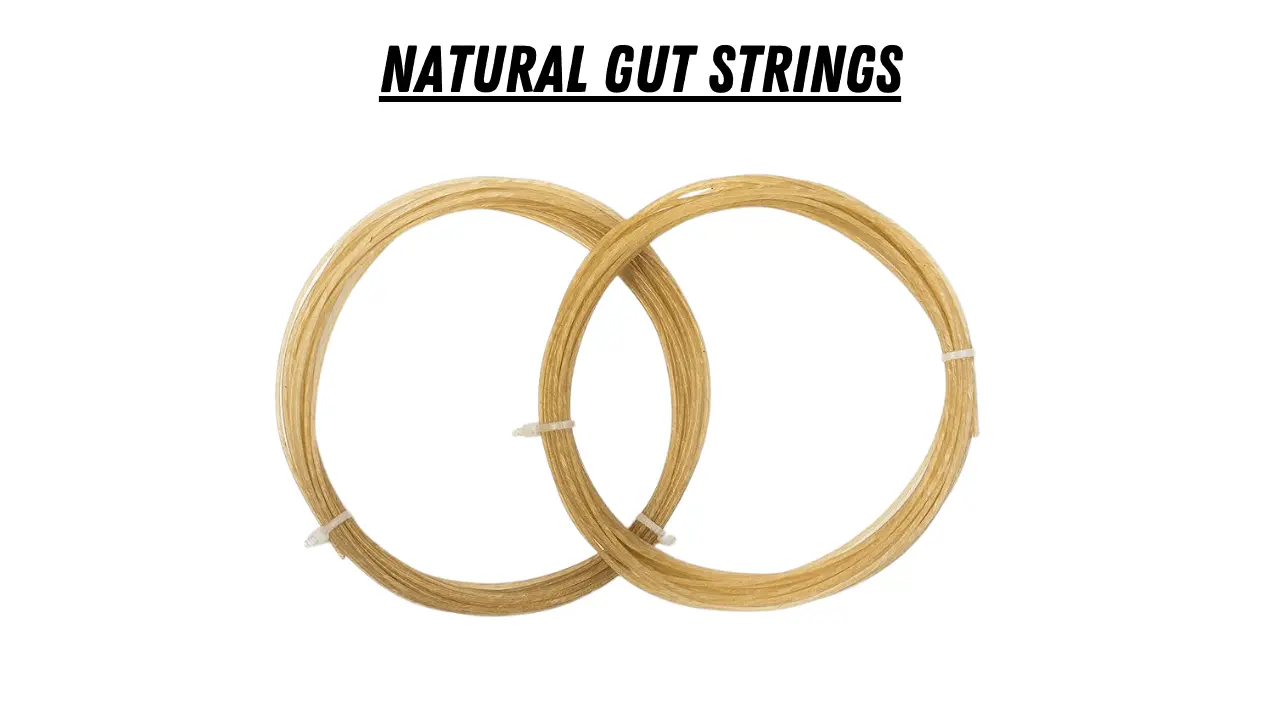
This is the gold standard of hybrid setups, popularized by Roger Federer. It combines Babolat VS Touch (a premium natural gut made from high-tensile organic beef serosa) in the vertical main strings with Luxilon ALU Power (a co-poly infused with aluminum fibers) in the crosses.
Design and Materials
Babolat's natural gut is manufactured in France using a highly complex, multi-week chemical extraction process that preserves the organic collagen fibers. This gives the string unmatched elasticity. Luxilon ALU Power uses a proprietary liquid crystal polymer blend blended with aluminum, making it stiff and resistant to notch wear.
On-Court Playtest Feedback
Strung at 56 lbs mains and 53 lbs crosses on a Wilson Pro Staff, this hybrid offers a magical on-court sensation. The ball seems to pocket deeply into the string bed, staying on the strings for a fraction of a second longer than a full bed of polyester. This provides incredible touch and directional control, allowing for delicate drop shots and precise volleys. When hitting hard groundstrokes, the natural gut mains provide effortless depth, while the ALU Power crosses restrict the upward launch angle, preventing the ball from flying deep.
Durability and Long-Term Wear
Because natural gut is made of organic fibers, it is highly sensitive to moisture and humidity. If exposed to rain or damp court conditions, the outer polyurethane coating can wear away, causing the gut to fray rapidly. However, in dry conditions, the tension maintenance is phenomenal. The Luxilon crosses will go dead and lose their elasticity long before the Babolat mains lose their tension.
- Pros:
- Unmatched plush feel and pocketing
- Effortless baseline depth and court power
- Superb tension maintenance of the gut mains
- Highly forgiving on off-center hits
- Cons:
- Extremely expensive ($40+ per set, plus stringing labor)
- Vulnerable to damp weather and premature fraying
Verdict
The absolute pinnacle of tennis string technology. If budget is not an issue and you want the ultimate blend of touch, comfort, and controlled power, the Federer-inspired setup has no equal.
Solinco Hyper-G + Prince Synthetic Gut (The Value Setup)
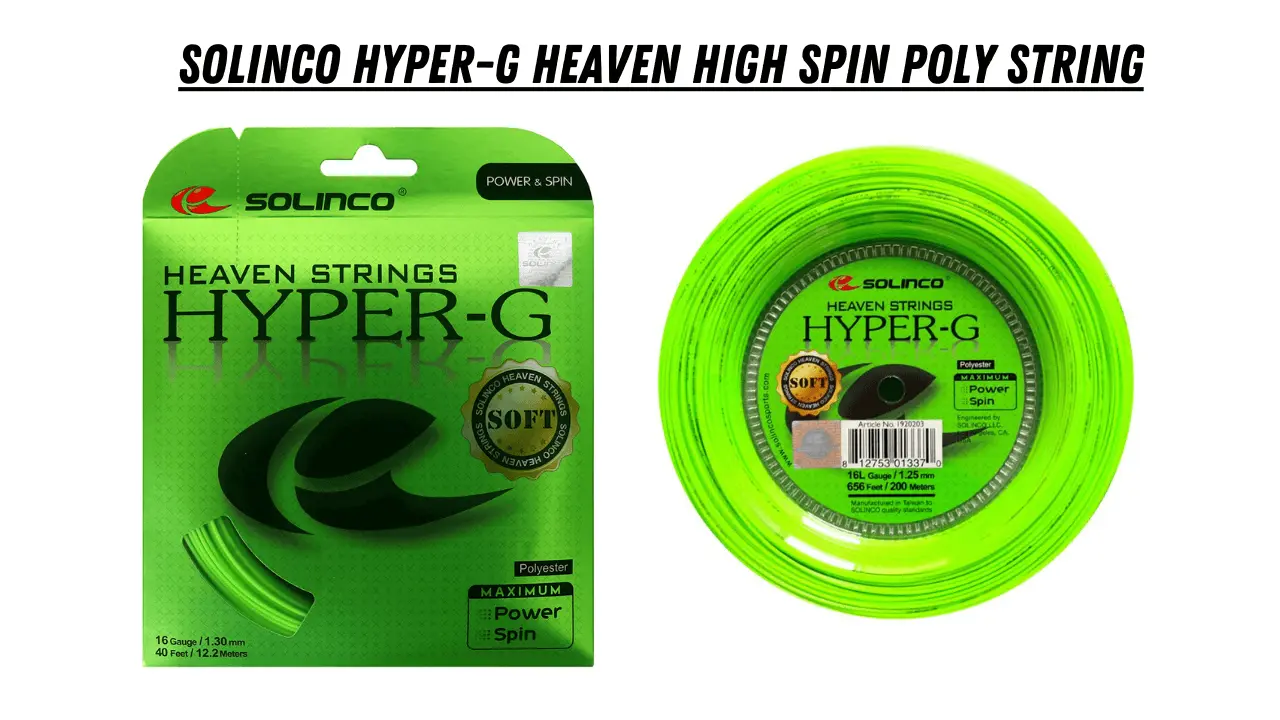
This hybrid is designed for intermediate players, juniors, and club players who want the performance benefits of a co-polyester string without the high price tag or the arm fatigue associated with a full bed of poly. It features Solinco Hyper-G in the mains and Prince Synthetic Gut in the crosses.
Design and Materials
Solinco Hyper-G is an iconic, bright green co-polyester with a unique four-sided, square profile. The sharp edges are designed to grab the ball's felt and generate massive topspin. Prince Synthetic Gut is a classic solid-core nylon string with a single outer wrap of co-polymer filaments, providing a smooth, flexible surface.
On-Court Playtest Feedback
When strung at 52 lbs mains and 55 lbs crosses, this hybrid feels active. Hitting heavy topspin groundstrokes is easy, as the square edges bite the ball cleanly. Hitting baseline drives feels direct and clean. However, because we replaced the polyester crosses with Prince Synthetic Gut, the string bed has a much softer impact feel. The harsh shock waves typically generated by Hyper-G are successfully dampened by the nylon crosses, making it much easier on the elbow and shoulder joints.
Durability and Long-Term Wear
This setup has a shorter playability window than a natural gut hybrid. The Prince Synthetic Gut crosses are relatively soft and will begin to notch quickly under the friction of the sharp, square Hyper-G mains. Once deep notches form, the mains can no longer slide back and forth, reducing spin potential. Expect to play 12 to 15 hours before the crosses wear thin and pop.
- Pros:
- High spin bite from square-profile mains
- Very budget-friendly (around $15 per setup)
- Softens the harshness of polyester for arm protection
- Great for intermediate baseliners
- Cons:
- Moderate tension loss in the mains over time
- Polyester edges notch the nylon crosses relatively quickly
Verdict
An outstanding value setup. It is the perfect gateway hybrid for players transitioning from multifilaments to polyesters, offering the spin of Hyper-G with the comfort and low cost of synthetic gut.
Tecnifibre X-One Biphase + Yonex Poly Tour Pro (The Soft Control Setup)
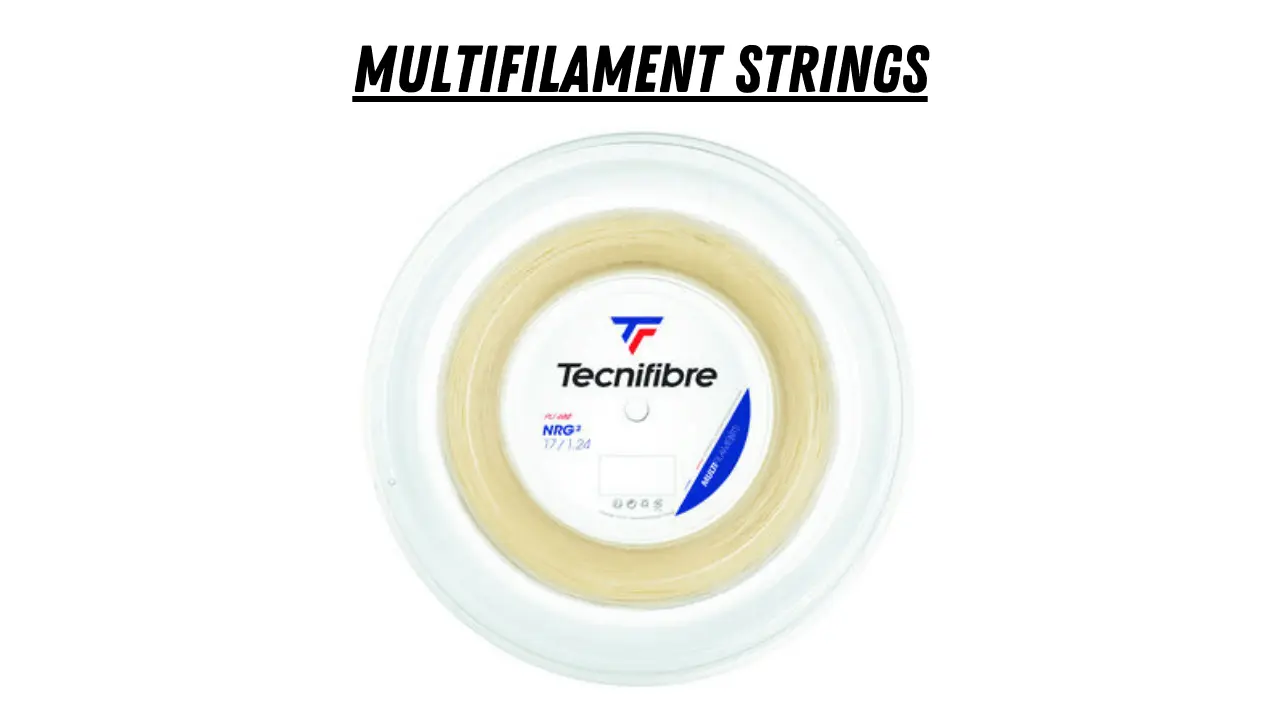
This combination is specifically engineered for players who prioritize comfort and arm safety but still want a reliable amount of control and launch angle consistency. It utilizes Tecnifibre X-One Biphase in the mains and Yonex Poly Tour Pro in the crosses.
Design and Materials
Tecnifibre X-One Biphase is a high-end multifilament string made of thousands of High-Heat Chemistry (H2C) fibers, which are bound together and impregnated with polyurethane. This design mimics the elastic molecular structure of natural gut. Yonex Poly Tour Pro is a round, smooth co-polyester that is pre-stretched during manufacturing to improve tension stability.
On-Court Playtest Feedback
At 54 lbs mains and 51 lbs crosses, this hybrid feels incredibly smooth. Hitting baseline groundstrokes provides a damp, muted feedback that absorbs high-frequency vibrations. The X-One Biphase mains provide easy depth, making it simple to hit deep defensive balls when stretched out wide. Meanwhile, the round, slick surface of Yonex Poly Tour Pro crosses allows the multifilament mains to slide freely, reducing friction wear and maintaining a controlled launch angle.
Durability and Long-Term Wear
Multifilament strings are famous for fraying as they wear out, which is actually a sign of the polyurethane binder breaking down as intended. In this hybrid, the smooth Poly Tour Pro crosses minimize this friction. The playability remains highly consistent for about 20 to 25 hours, after which the multifilament mains will start to look like a fuzzy sweater and eventually break.
- Pros:
- Highly effective elbow protection and shock absorption
- Smooth, predictable launch angle
- Excellent comfort and ball pocketing
- Very good tension stability for a synthetic hybrid
- Cons:
- Mains will fray visibly on heavy topspin shots
- Slightly less raw spin potential than textured polyester mains
Verdict
The ideal setup for veteran players, club competitors recovering from tennis elbow, or flat-hitters who want a plush, comfortable feel with just enough polyester control to keep their shots inside the baseline.
How to Choose and Fine-Tune Your Hybrid Configuration
Selecting the right hybrid setup requires matching the string materials to your swing speed, stroke style, and physical needs. Use the following guide to tailor your setup:
Mains-First vs. Crosses-First setups
The way you arrange your hybrid strings completely changes the racket's playing characteristics:
- Natural Gut / Multifilament in the Mains + Polyester in the Crosses: This is the classic performance setup. It places the elastic string in the mains, prioritizing comfort, power, feel, and touch. The polyester crosses act as a slick sliding surface to allow the mains to move, maintaining a reasonable level of control and spin. Choose this if you want comfort and power.
- Polyester in the Mains + Synthetic Gut / Multifilament in the Crosses: This is the modern control setup. It puts the spin-generating co-poly in the mains, prioritizing spin, control, and a lower launch angle. The soft crosses serve to dampen the overall feel, making the string bed less punishing on the arm than a full bed of poly. Choose this if you are a hard-hitting spin player looking for arm safety and budget savings.
Adjusting String Tension
Because you are combining two different materials, you should almost never string them at the same tension. Follow these guidelines:
- String the polyester 2 to 4 lbs looser: Polyester is highly rigid. If you string it at the same tension as a soft string, it will dominate the feel, making the string bed feel stiff and board-like. Dropping the tension of the poly crosses allows the soft mains to flex naturally.
- Adjust for temperature: In cold weather, strings naturally stiffen. Drop the tension of both strings by 2 lbs to maintain comfort. In hot, humid conditions, strings soften and lose tension faster; raise the tension by 2 lbs to keep control.
Selecting the Right Gauge
String gauge (thickness) significantly affects playability and durability:
- 16 Gauge (1.30mm): Thicker and more durable. It offers excellent tension stability and resistance to notch wear, making it ideal for heavy topspin players.
- 17 Gauge (1.25mm) / 18 Gauge (1.20mm): Thinner and more elastic. It provides greater ball pocketing, dynamic comfort, and spin potential, but it will break much faster due to friction wear.
Expert String Maintenance Tips
To ensure your hybrid setup performs consistently until it breaks, practice the following maintenance habits:
- Avoid Extreme Heat: Never leave your rackets in the trunk of your car during summer. The heat will cause the co-polyester strings to lose their molecular structure (elastic limit), rendering them dead and mushy within hours.
- Control Moisture: If you use natural gut mains, wipe the string bed dry after playing on damp courts. Apply a small amount of paraffin wax or string glide to the cross intersections to preserve the polyurethane outer coating.
- Use String Savers: If you are a heavy topspin player and notice your soft main strings are wearing thin at the sweet spot, insert plastic string savers. This prevents direct string-on-string friction, extending the life of the hybrid setup.
Summary and Final Recommendation
- Go with Babolat VS Touch + Luxilon ALU Power if you want the absolute best playability, premium touch at the net, effortless power, and do not mind the high cost.
- Go with Solinco Hyper-G + Prince Synthetic Gut if you are a rising intermediate baseline player looking for a budget-friendly way to get polyester spin without hurting your arm.
- Go with Tecnifibre X-One + Yonex Poly Tour Pro if you suffer from tennis elbow or joint discomfort, play an all-court game, and prefer a damp, soft impact feel with controlled depth.
The Playtest Standings: Our Top Recommendations
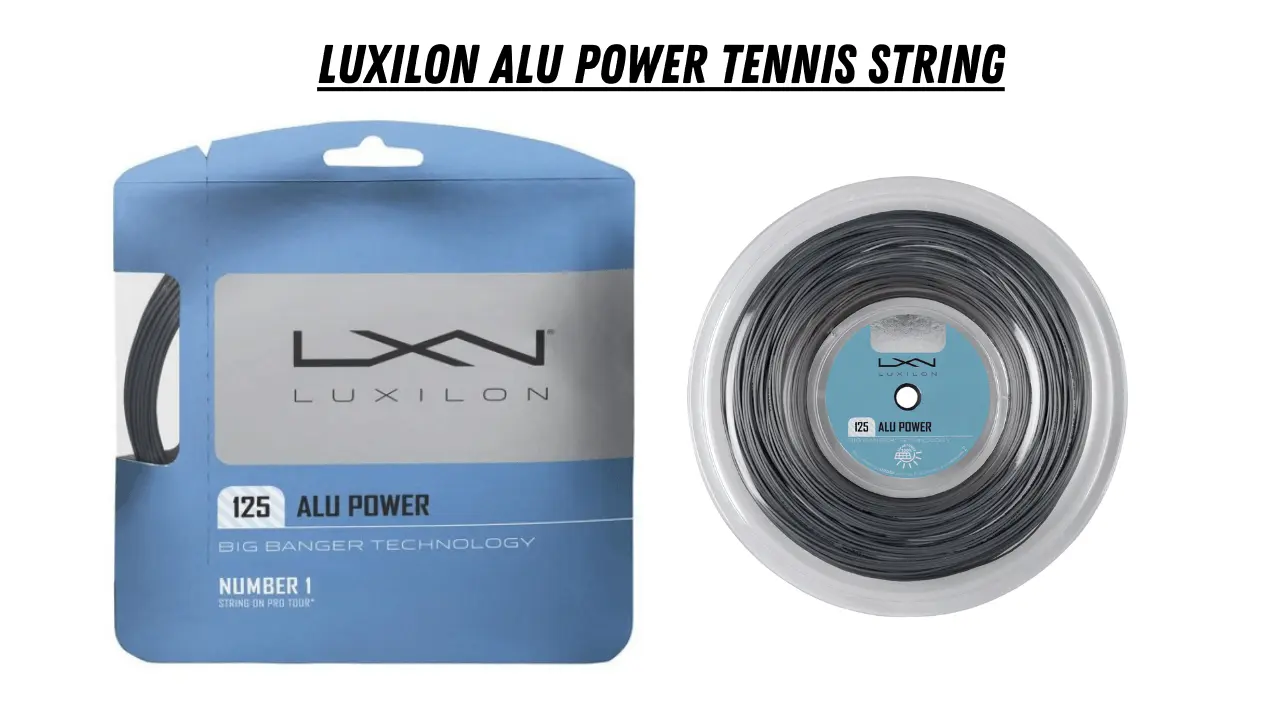
Federer Hybrid (Babolat VS Touch + Luxilon ALU Power)
Pros
- ✓Plush ball pocketing feel
- ✓Effortless baseline power
- ✓Solid stability against heavy pace
Cons
- ✗Expensive ($40+ per setup)
- ✗Sensitive to high moisture
"The ultimate benchmark hybrid. By putting natural gut in the mains, you get unmatched comfort and feel, while the ALU Power crosses keep the ball controlled."
*RacketEdge is an Amazon Associate. We earn a commission on qualifying purchases.
Club Player Hybrid (Solinco Hyper-G + Prince Synthetic Gut)
Pros
- ✓Affordable string configuration
- ✓Crisp contact feedback
- ✓Excellent topspin bite
Cons
- ✗Firm impact feel
- ✗Shorter playability window
"An excellent hybrid for intermediate players wanting to test polyester spin without spending $40, or suffering from forearm fatigue."
*RacketEdge is an Amazon Associate. We earn a commission on qualifying purchases.
Soft Control Hybrid (Tecnifibre X-One + Yonex Poly Tour Pro)
Pros
- ✓Soft shock absorption
- ✓Low friction string sliding
- ✓Forgiving sweet spot
Cons
- ✗Mains fray on heavy topspin
- ✗Medium launch angle
"A perfect hybrid for intermediate club players managing minor tennis elbow who want polyester spin control with a plush impact feel."
*RacketEdge is an Amazon Associate. We earn a commission on qualifying purchases.
Frequently Asked Questions
Why do tennis players use hybrid string setups?
Hybrid string setups allow competitive tennis players to combine the unique, contrasting benefits of two distinct string materials. For instance, pairing natural gut in the vertical mains (which provides unmatched elasticity, power, pocketing, and arm comfort) with a co-polyester string in the horizontal crosses (which offers stiffness, durability, and low-friction sliding) creates a highly customized playability profile that no single string type can deliver alone. This setup mitigates the harshness of a full polyester string bed while tempering the erratic power of a full natural gut bed.
Does the main or cross string dictate the overall feel of the racket?
The vertical main strings are the primary driver of playability, accounting for approximately 70% to 80% of the racket's overall feel, ball pocketing, power, and spin potential. Because the mains are longer, they deflect more upon ball contact. The horizontal cross strings serve as a stabilizing element; they control the launch angle of the ball, modify the overall stiffness of the string bed, and dictate how easily the mains can slide back and forth to generate topspin via the snap-back effect.
How often should you restring a hybrid string setup?
A hybrid string setup should ideally be restrung every 15 to 20 hours of active play, even if the strings have not yet broken. Because a hybrid setup combines two fundamentally different materials—such as organic natural gut and synthetic co-polyester—they lose tension at vastly different rates. Polyester strings tend to lose elasticity and 'go dead' within 10 to 15 hours, while natural gut maintains its tension for much longer. This mismatch causes the string bed to feel erratic, inconsistent, and harsh over time.
What string tension is recommended when installing a hybrid setup?
The standard recommendation for hybrid setups is to string the stiffer co-polyester string 2 to 4 pounds (1.0 to 1.8 kg) looser than the softer natural gut, multifilament, or synthetic gut string. For example, if you string Babolat VS Touch mains at 55 pounds, you should string Luxilon ALU Power crosses at 52 or 53 pounds. This tension differential prevents the polyester from overpowering the soft string, expanding the sweet spot and preserving a natural, comfortable flex on impact.
Can a hybrid setup help prevent or alleviate tennis elbow?
Yes, transitioning from a full bed of stiff co-polyester to a hybrid setup is one of the most effective equipment adjustments for preventing lateral epicondylitis (tennis elbow). By placing a highly dampening multifilament or natural gut in the vertical mains (or even the crosses), you introduce a significant shock-absorption buffer. This reduces the peak impact force and high-frequency vibrations transmitted through the racket handle and into the player's forearm tendons upon ball contact.
Chris Davies
Chris Davies reviews, playtests, and strings tennis gear. His shootouts compare specifications under uniform conditions, providing intermediate and advanced players with verified court metrics.