Best Tennis Shoes for Clay Court Play: Traction Guide
Disclosure: Outbound buttons on this roundup guide route to Amazon via our secure redirect logs. RacketEdge is an Amazon Associate and earns from qualifying purchases. We playtest every frame.
Playing tennis on red clay is a unique athletic experience. Unlike hard courts—where you run, plant, and stop instantly—clay courts are dynamic. To move efficiently on clay, you must master the art of the controlled slide. You slide to decelerate as you approach the ball, hit the ball during the slide, and slide again to recover your position back toward the center of the court.
If you wear standard hard court shoes on a clay court, you are playing on ice. Hard court outsoles feature flat rubber panels designed to maximize surface area contact with concrete. On clay, these flat panels act like skis, sliding over the loose brick dust and causing you to slip, fall, or strain muscles.
To find the best footwear for clay courts, I playtested the top models under real match conditions, evaluating slide initiation, stopping power, herringbone tread performance, and dust resistance.
In this guide, we will analyze the physics of clay court traction, compare the three best clay court tennis shoes of 2026, and show you how to choose the right shoe for your clay court game.
1. Outsole Physics: The Mechanics of Herringbone Traction
To understand how a clay court shoe works, you must look at the physics of the surface. According to International Tennis Federation (ITF) Court Surface Science studies:
"Clay courts are classified as slow-speed surfaces with a high coefficient of friction when dry. However, the presence of loose brick top dressing (approximately 1mm to 2mm deep) acts as a boundary lubricant. This loose layer allows players to slide, provided the shoe's outsole can penetrate the dust and engage with the compacted sub-base."
This requires a specialized tread design known as the full herringbone pattern:
Traction Mechanism on Clay:
[Herringbone Grooves (1.5mm - 2.0mm Deep)] ➔ [Traps Loose Brick Particles] ➔ [Creates Clay-on-Clay Shear Resistance] ➔ [Controlled Slide & Push-Off Grip]
The Herringbone Grip
The herringbone pattern consists of continuous, parallel 120-degree zig-zag grooves cut into the outsole rubber. When you plant your foot to change directions, these grooves trap the loose brick particles.
Because clay particles stick to each other, this "clay-on-clay" contact provides a higher shear resistance than rubber-on-clay contact. This allows you to push off with maximum force without slipping.
Slide Initiation and Braking
The depth and angle of the herringbone grooves determine how easily you can initiate a slide and how quickly you can bring yourself to a stop.
According to USTA Player Development coaches, a proper clay-court shoe must have a groove depth of approximately 1.5mm to 2mm. If the grooves are too shallow, the shoe will slip; if they are too deep or the rubber is too sticky, the shoe will catch, halting your slide too quickly and increasing the risk of an ankle roll.
Dust Shedding
As you move, the clay dust packs into the grooves of the shoe. A high-quality clay shoe is made of a flexible rubber compound that bends with your foot.
This bending action compresses and decompresses the grooves, cracking the packed clay and shedding it from the outsole with every step. This self-cleaning mechanism ensures that your traction remains consistent throughout the match.
2. Technical Specifications & Material Analysis
Below is a detailed technical comparison of the three clay-court shoes we playtested on the red clay.
| Feature / Spec | Asics Gel Resolution 9 Clay | Wilson Rush Pro 4.0 Clay | Babolat Jet Mach 3 Clay |
|---|---|---|---|
| Outsole Tread Type | Full Herringbone | Full Herringbone | Michelin Herringbone |
| Weight (Men's 9 US) | 14.8 oz (419g) | 13.9 oz (394g) | 11.5 oz (326g) |
| Rubber Compound | AHAR+ Clay (Soft compound) | Duralast Clay Rubber | Michelin Premium Rubber |
| Midsole Cushioning | Rearfoot & Forefoot Gel | 4D Support Chassis 2.0 | KPRS-X EVA Heel Pad |
| Upper Material | Dense Polyurethane Shield | Sensifeel 2.0 Mesh | Matryx EVO (Kevlar/Polyamide) |
| Shank Material | Midfoot Resin Wall | 3D TPU arch shank | Internal TPU plate |
| Toe Box Width | Medium (Standard) | Snug / Narrow | Medium-Narrow |
| Lateral Wrap | High (Dynawall) | Medium (Lateral chassis) | Low-Medium (Matryx fabric) |
| Dust Resistance | Elite (Seamless upper) | High (Tightly woven mesh) | Moderate (Breathable mesh) |
| Slide Control Index | 9.5 / 10 | 8.8 / 10 | 8.0 / 10 |
3. On-Court Product Reviews & Playtest Feedback
Let's look at how our top three picks perform under real match conditions, detailing their construction, benefits, and drawbacks.
Asics Gel Resolution 9 Clay: The Slide Controller
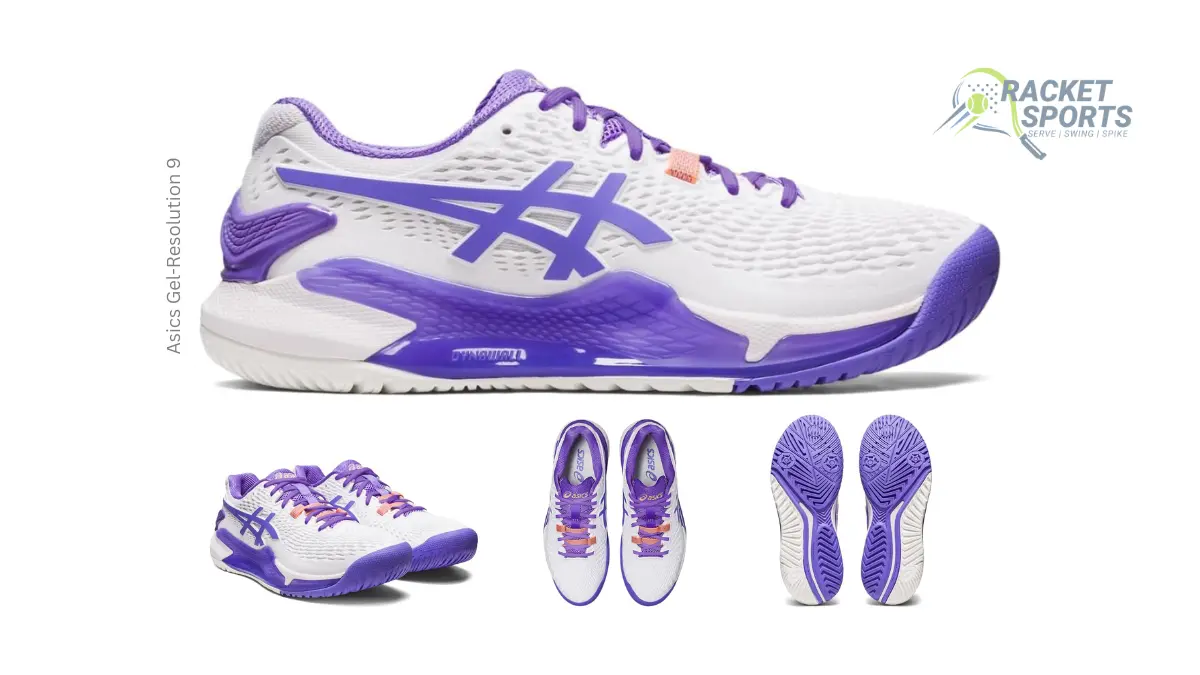
The Asics Gel Resolution 9 Clay is the choice of baseline grinders who cover the court with slide-and-recover movements. It features a full, continuous herringbone outsole with deep, sharp-angled grooves that bite aggressively into the court.
During playtests, the Gel Resolution 9 Clay provided the most controlled slide of any shoe tested. When sliding wide to defend a deep groundstroke, the transition from sliding to braking felt incredibly smooth.
The Dynawall lateral chassis kept my foot locked over the midsole, ensuring my ankle felt supported even when sliding sideways at high speed.
The upper is constructed with a dense polyurethane shield over mesh. This seamless design is highly effective at blocking the fine red clay dust, keeping my socks completely clean.
The drawback is that the shoe is heavy (14.8 oz) and takes several hours of play to break in and flex naturally.
- Slide Performance: Elite. Highly predictable slide initiation and braking.
- Dust Protection: Elite. Polyurethane shield keeps dust out.
- Comfort/Weight: Heavy and stiff initially, but highly cushioned.
Wilson Rush Pro 4.0 Clay: The Balanced Performer
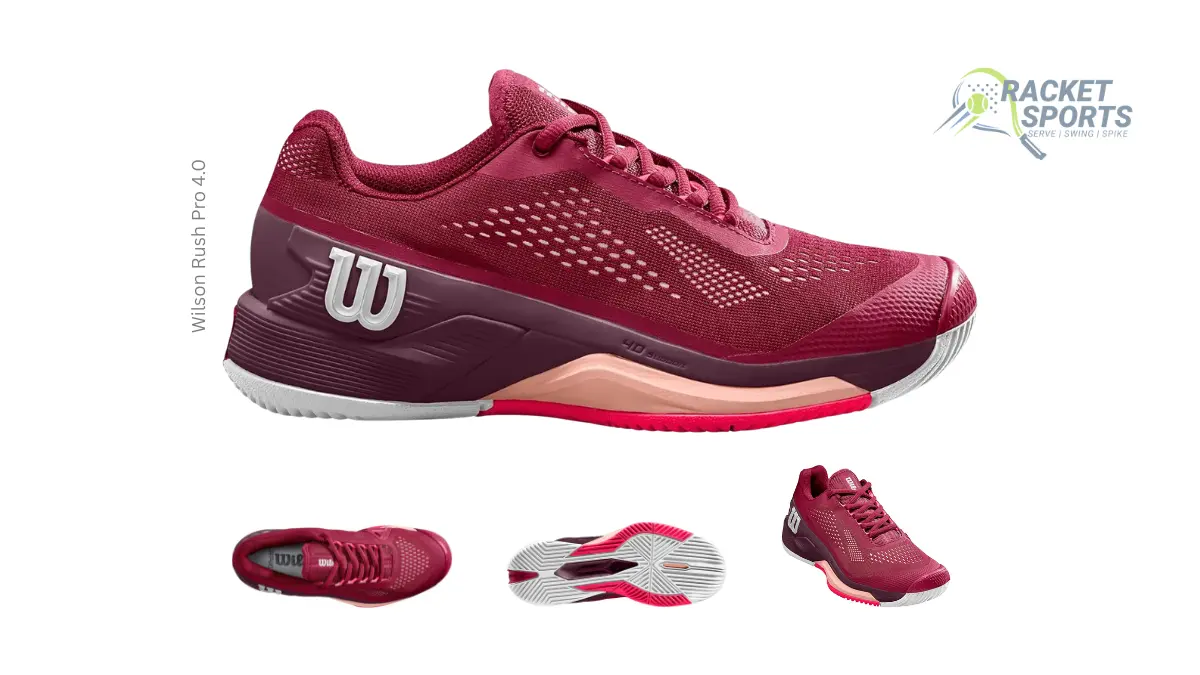
The Wilson Rush Pro 4.0 Clay offers a faster, more flexible ride than the Asics. It uses a 4D Support Chassis 2.0 that provides lateral stability while allowing the forefoot of the shoe to flex naturally.
On court, the Rush Pro 4.0 Clay excelled at fast directional changes. The herringbone tread is slightly more flexible than the Asics, allowing it to shed damp, heavy clay easily during morning play when the court has been freshly watered. The internal bootie design wraps the foot, preventing any heel lift during explosive sprints.
The Sensifeel 2.0 mesh upper is tightly woven, keeping most of the dust out while remaining highly breathable.
The fit is snug, particularly in the toe box, which can feel constricting for players with wider feet.
- Slide Performance: Very High. Responsive and flexible tread.
- Dust Protection: High. Tightly woven mesh blocks most particles.
- Comfort/Weight: Excellent out-of-the-box comfort with a lightweight feel.
Babolat Jet Mach 3 Clay: The Lightweight Rocket

For players who rely on speed and quick footwork, the Babolat Jet Mach 3 Clay is a game-changer. Weighing an incredibly light 11.5 ounces, this shoe uses a Michelin rubber outsole with a clay-specific herringbone pattern designed to maximize durability and flexibility.
On court, the Jet Mach 3 Clay feels exceptionally fast. The Matryx EVO fabric upper is woven with Kevlar and polyamide threads, providing a highly flexible fit that conforms to your foot.
I was able to track down short drop shots and sprint forward with zero drag. The Michelin rubber tread is highly flexible, allowing for quick, whippy slides.
The tradeoff for this lightweight design is cushioning and lateral support. The midsole is thin, providing less shock absorption for players with bad knees.
The soft fabric upper also offers less lateral rollover protection than the rigid plastic walls of the Asics Gel Resolution.
- Slide Performance: High. Highly flexible tread allows for fast, light slides.
- Dust Protection: Moderate. The breathable fabric can let fine dust filter through.
- Comfort/Weight: Incredibly lightweight and flexible, with immediate comfort.
4. How to Slide Correctly on a Clay Court
Sliding on clay is a skill that must be learned. Attempting to slide without proper technique can lead to joint strains or rolled ankles. Follow these biomechanical tips to slide safely:
- Initiate the Slide Early: Do not try to slide after you have already stopped. Initiate the slide as you approach the ball, roughly 2 to 3 feet before your contact point.
- Lower Your Center of Gravity: Bend your knees and get low. A lower center of gravity increases your stability and makes it easier to balance as your feet slide out from under you.
- Distribute Your Weight: Keep your weight centered over your sliding foot. Do not lean too far forward or backward. Your trailing foot should act as a stabilizer, sliding lightly behind you.
- Brake and Recover: To stop the slide, transfer your weight to the inside edge of your lead foot. The herringbone tread will catch, allowing you to push off and recover back to the center of the court.
5. Cleaning and Maintenance of Clay Shoes
Clay court dust is highly invasive and will stain and damage your shoes if not cleaned regularly. Follow these maintenance tips:
- Tap Your Soles: After every match, use your racket frame to gently tap the outsoles of your shoes. This clears the herringbone grooves of packed clay before it dries and hardens.
- Brush the Uppers: Use a dry, stiff-bristled brush to remove dry clay dust from the mesh uppers of your shoes. Do not use water initially, as wet clay will dissolve and stain the fabric.
- Hand Wash Only: If your shoes are heavily stained, hand wash them in cool water with a mild detergent. Avoid machine washing, as the heat and agitation can damage the outsole glues.
- Air Dry: Allow your shoes to air dry away from direct heat sources. Never put them in a dryer, as high heat will warp the rubber and ruin the midsole cushioning.
6. Summary Verdict: Which Clay Shoe is Right for You?
Choosing the perfect clay shoe depends on your playing style and comfort preferences:
- Choose the Asics Gel Resolution 9 Clay if you are a baseline grinder who wants maximum lateral support, controlled sliding, and excellent dust protection.
- Choose the Wilson Rush Pro 4.0 Clay if you want a balanced shoe that offers great comfort, responsive flex, and excellent clay-shedding capabilities.
- Choose the Babolat Jet Mach 3 Clay if you prioritize lightweight speed, quick acceleration, and a highly flexible feel on court.
The Playtest Standings: Our Top Recommendations
Pros
- ✓Deep herringbone grooves bite loose clay
- ✓Unmatched lateral ankle support
- ✓Polyurethane upper blocks brick dust
Cons
- ✗Heavy weight profile
- ✗Long break-in required
"The absolute benchmark clay court shoe. The full herringbone tread allows for controlled baseline slides, helping you brake and recover your position with ease."
*RacketEdge is an Amazon Associate. We earn a commission on qualifying purchases.
Wilson Rush Pro 4.0 Clay
Pros
- ✓Excellent heel-to-toe flex
- ✓Snug sock-like bootie fit
- ✓Responsive forefoot energy return
Cons
- ✗Snug, narrow toe box
- ✗Hard to slide foot inside
"A superb all-court clay shoe. It provides great lateral support and allows for responsive changes of direction, making it excellent for clay court counter-punchers."
*RacketEdge is an Amazon Associate. We earn a commission on qualifying purchases.
Babolat Jet Mach 3 Clay
Pros
- ✓Incredibly lightweight and fast
- ✓Durable Michelin rubber outsole
- ✓Highly breathable upper fabric
Cons
- ✗Less lateral ankle support
- ✗Thin midsole cushioning
"If you prioritize speed on clay, this is the ultimate choice. The Michelin rubber tread is highly flexible, allowing you to chase down drop shots effortlessly."
*RacketEdge is an Amazon Associate. We earn a commission on qualifying purchases.
Frequently Asked Questions
Why do you need a specialized tennis shoe for clay courts?
Clay courts are covered in a layer of loose, crushed brick dust (top dressing). Standard hard court shoes have flat rubber panels that trap this dust, causing you to slip uncontrollably. Clay-specific shoes use a full herringbone outsole to bite through the loose dust and grip the firm under-base.
How does a herringbone tread pattern generate traction on clay?
The herringbone pattern consists of deep, continuous 120-degree zig-zag grooves. These grooves trap small amounts of the loose clay. When you plant your foot, the trapped clay locks against the loose clay on the court surface, creating stable 'clay-on-clay' traction for pushing off.
Can you wear clay court tennis shoes on hard courts?
No, you should avoid wearing clay shoes on hard courts. The rubber compounds in clay shoes are softer, and the herringbone ridges are thinner. On concrete hard courts, this tread will wear down flat within 2 to 3 hours of play, ruining the shoe's clay traction.
Are clay court tennis shoes waterproof or dustproof?
While not fully waterproof, clay court shoes feature a much denser mesh upper and tighter seam construction than hard court shoes. This design is engineered specifically to prevent the fine red brick dust from filtering through the shoe and staining your socks.
Do professional players switch their shoe outsoles based on the court surface?
Yes, professional players switch their footwear versions completely depending on the surface. During the European clay court swing, they wear full herringbone outsoles. They switch to modified, multi-directional tread patterns for the hard court and grass court seasons.
Chris Davies
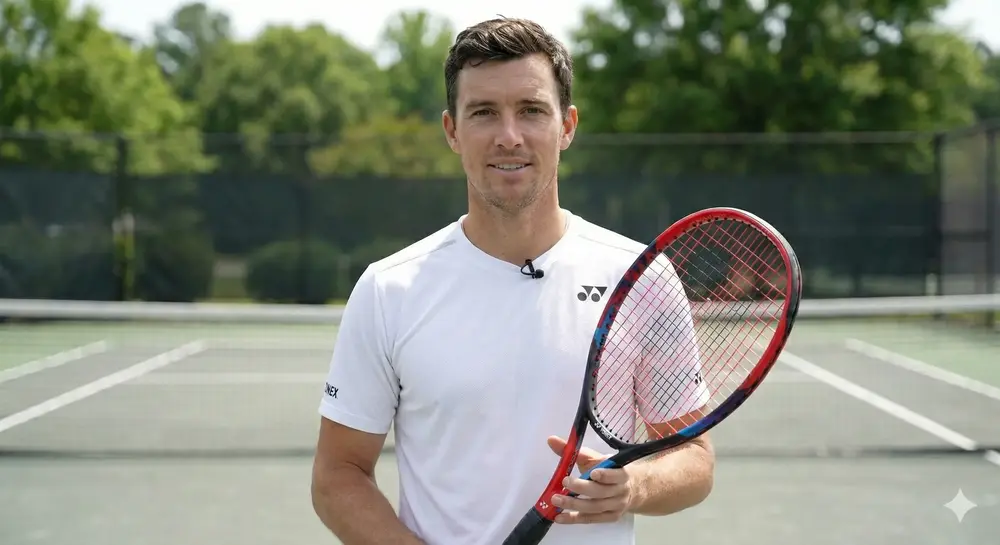
Chris Davies reviews, playtests, and strings tennis gear. His shootouts compare specifications under uniform conditions, providing intermediate and advanced players with verified court metrics.