Wilson Clash vs Wilson Blade: Which Racket Fits Your Game?
Disclosure: Outbound buttons on this comparison guide link to Amazon through our secure redirect logs. RacketEdge is an Amazon Associate and earns from qualifying purchases.
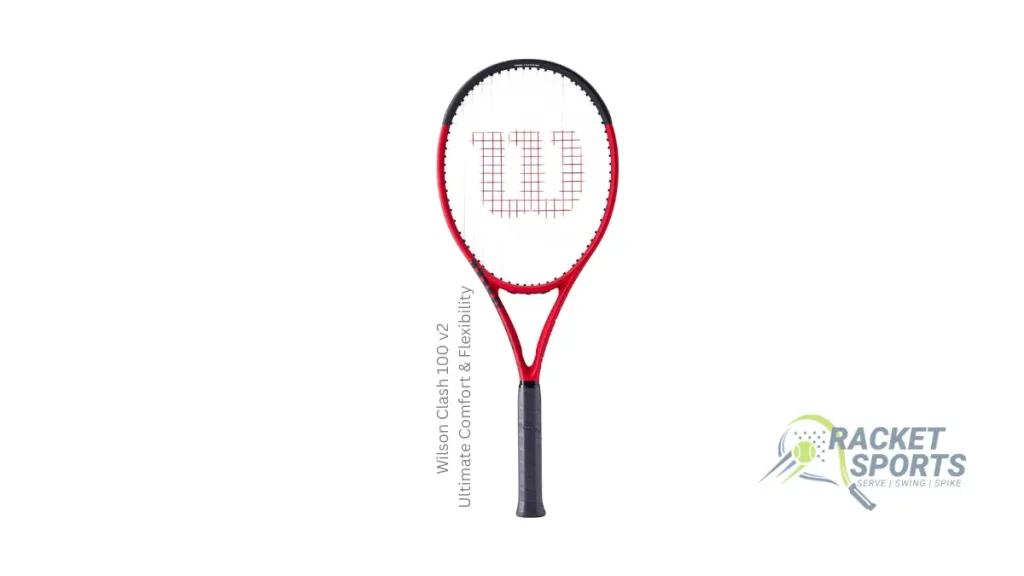
Wilson Clash 100 v2
- Head Size:100 sq in
- Weight (Unstrung):295g
- Stiffness (RA):57
- Swingweight:313
- String Pattern:16x19
- Balance:310mm / 10 pts HL
- Beam Width:24mm / 24mm / 24mm
*RacketEdge is an Amazon Associate. We earn a commission on qualifying purchases.
Wilson Blade 98 v9
- Head Size:98 sq in
- Weight (Unstrung):305g
- Stiffness (RA):62
- Swingweight:320
- String Pattern:16x19
- Balance:320mm / 7 pts HL
- Beam Width:21mm Flat Beam
*RacketEdge is an Amazon Associate. We earn a commission on qualifying purchases.
Feature-by-Feature Specs Comparison
| Feature / Performance Metric | Wilson Clash 100 v2 | Wilson Blade 98 v9 | Winner |
|---|---|---|---|
| Primary Benefit | Flex Comfort & Forgiveness | Control & Precision | Tie |
| Impact Feel | Soft, springy, and cushioned | Firm, flexible, and connected | Tie |
| Plow-Through | Moderate (313 swingweight) | Excellent (320 swingweight) | Wilson |
| Sweet Spot Size | Large and forgiving | Concentrated and demanding | Wilson |
| Target Player | Intermediate (NTRP 3.0 - 4.0) | Advanced (NTRP 4.0 - 5.5+) | Tie |
When shopping for a performance frame from Wilson, two models dominate the discussion: the Wilson Clash 100 and the Wilson Blade 98. Both are incredibly popular, but they are engineered for completely different playing styles. Hitting with the Wilson Clash vs Wilson Blade highlights how structural flex changes performance.
The Clash was designed to solve a specific problem: how to create a racket that flexes heavily on impact (protecting the arm) without folding or losing stability. The Blade, on the other hand, is a traditional player's frame designed for aggressive, clean hitters who want maximum control, feel, and placement.
I spent weeks playtesting the latest generations of both frames back-to-back. In this comparison guide, I will break down how they compare on court and help you decide which one belongs in your tennis bag.
1. Baseline Play: Flexibility vs. Connected Control
Trading groundstrokes from the baseline, the difference between these two frames is night and day.
The Wilson Clash 100 v2 feels soft. When you strike the ball, you can feel the frame bend and pocket the ball. It has a high launch angle, meaning your shots naturally clear the net with depth. If you have a medium-speed swing, the Clash acts like a partner, supplying easy depth. Hitting with a vertical topspin swing path, the ball exits the string bed with reliable topspin.
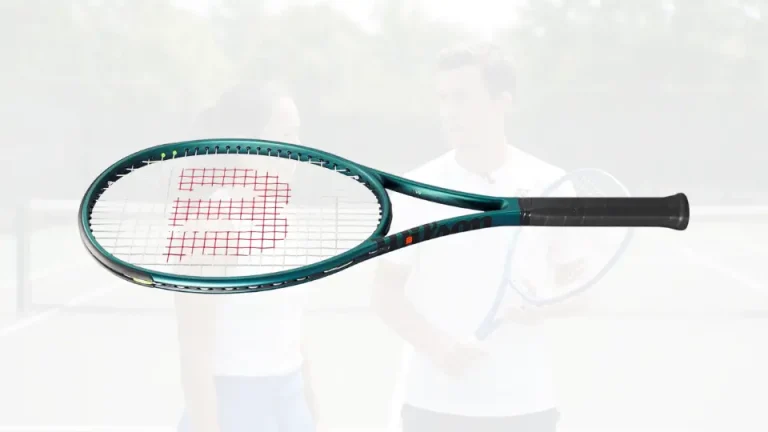
The Wilson Blade 98 v9 is a control weapon. It flexes (62 RA), but it does so in a traditional way that keeps the ball low and flat. The launch angle is lower and more predictable. When I hit hard, aggressive forehands, I knew exactly where the ball would land. It gives you the confidence to swing at 100% speed without worrying about the ball flying long. Hitting flat baseline drives is exceptionally satisfying.
However, the Blade has a smaller sweet spot. If you hit late or miss the center of the frame, the ball dies and drops short. The Clash is highly forgiving, maintaining depth even on off-center stabs. On defense out wide, a quick wrist flick with the Clash is enough to launch the ball deep, whereas the Blade demands clean footwork and a complete swing.
2. Serving: Easy Power vs. Target Precision
On serve, the Clash and Blade showcase their different design focuses:
- Serving with the Clash 100: The lightweight setup (295g unstrung) makes it easy to snap your wrist and generate head speed. This translates to good spin and reliable depth on kick serves. However, it lacks the heavy plow-through needed to hit flat first serves with massive pace.
- Serving with the Blade 98: The extra static weight (305g unstrung) and higher swing weight (320) help drive the ball through the box. If you have a clean serve motion, the Blade generates excellent pace and allows you to target the corners of the service box with pinpoint accuracy.
3. Net Play: Forgiving Blocks vs. Touch Volleys
At the net, both rackets perform well, but serve different player needs.
The Clash 100 is highly maneuverable. During fast doubles exchanges, you can position the racket quickly. Its forgiving sweet spot makes blocking back fast body serves easy, though the soft, springy feel makes delicate drop volleys difficult to control, as the ball can bounce too far off the flexible frame.
The Blade 98 is a volleyer's dream. It offers a solid, traditional feel that keeps you connected to the ball. Touch volleys, drop volleys, and angled block shots are easy to execute. The frame feels rock-solid against heavy passing shots, making it the preferred choice for all-court singles and doubles players.
4. Technical Analysis: Carbon Mapping vs. DirectConnect
The structural performance differences between these two rackets are defined by Wilson's material engineering:
FortyFive Carbon Mapping vs. Braided Graphite
- FortyFive Technology (Clash & Blade): This carbon layup allows the frame to flex in ways that support the modern, vertical swing. In the Clash, the carbon fibers are mapped to flex deeply both vertically and horizontally, providing maximum shock absorption. In the Blade, FortyFive is used selectively to boost flexibility without sacrificing the torsional stability needed for control.
- Braided Graphite + Basalt (Blade): The Blade features a classic braid of graphite and basalt fibers. This creates a highly stable, integrated frame that resists twisting and keeps the player connected to the ball.
DirectConnect Handle Technology
- DirectConnect (Blade v9): Wilson extends the carbon fiber shaft of the Blade directly into the butt cap. This increases the structural connection by 16%, enhancing vibrational feedback and torsional stability on volleys. The Clash utilizes a standard handle assembly to prioritize dampening.
Beam Width: Comfort Spring vs. Control Flat
- Clash Beam (24mm): A thick, variable beam profile that provides stability and a bouncy energy return.
- Blade Beam (21mm): A thin, flat 21mm beam that flexes traditionally and yields predictable control.
5. Customization Tips: Tuning Your Setup
You can customize either frame to balance their playability characteristics:
- Customizing the Wilson Clash for More Control: Because the Clash string bed is highly flexible, stringing it with a stiff co-polyester (like Luxilon ALU Power or Solinco Hyper-G) at 52-54 lbs can tighten the string bed response, reducing the launch angle and increasing control.
- Customizing the Wilson Blade for More Comfort: If the Blade feels too demanding on off-center hits, stringing it with a soft multifilament (like Wilson Sensation or Tecnifibre NRG2) at 50 lbs will expand the sweet spot and reduce joint feedback.
6. Comfort and Joint Safety
This is where the Wilson Clash shines. With a 57 RA stiffness rating, it is one of the most flexible performance frames on the market.
If you suffer from chronic tennis elbow, wrist tendonitis, or shoulder fatigue, the Clash is the safest frame you can play with. Hitting off-center volleys or late groundstrokes results in minimal vibration, protecting your joints.
The Blade 98 is also comfortable compared to stiff rackets like the Babolat Pure Drive, but it does not absorb impact shock nearly as well as the Clash. If you play with polyester strings, the Blade requires a clean, strong arm to prevent fatigue over long matches.
7. Summary Verdict: Which Wilson Should You Choose?
- Choose the Wilson Clash 100 if you are an intermediate player (NTRP 3.0 - 4.0), value arm comfort above all else, have a medium swing speed, and want a forgiving sweet spot that provides easy baseline depth.
- Choose the Wilson Blade 98 if you are an advanced player (NTRP 4.0 or higher), hit clean and fast, want ultimate directional control to target lines, and prefer a traditional, connected feel.

Chris Davies
Chris Davies conducts baseline tests and service velocity diagnostics to compare performance frames. His guides provide direct comparisons to help you select a racket based on NTRP metrics.
Read Editorial Standards & Ethics Policy →