Yonex EZONE vs Percept: Easy Power vs Classic Control
Disclosure: Outbound buttons on this comparison guide link to Amazon through our secure redirect logs. RacketEdge is an Amazon Associate and earns from qualifying purchases.
Yonex EZONE 100 v7
- Head Size:100 sq in
- Weight (Unstrung):300g
- Stiffness (RA):67
- Swingweight:317
- String Pattern:16x19
- Balance:320mm / 7 pts HL
- Beam Width:23.8 / 26.5 / 22.5mm
*RacketEdge is an Amazon Associate. We earn a commission on qualifying purchases.
Yonex Percept 100
- Head Size:100 sq in
- Weight (Unstrung):300g
- Stiffness (RA):60
- Swingweight:315
- String Pattern:16x19
- Balance:320mm / 7 pts HL
- Beam Width:23mm Flat Beam
*RacketEdge is an Amazon Associate. We earn a commission on qualifying purchases.
Feature-by-Feature Specs Comparison
| Feature / Performance Metric | Yonex EZONE 100 v7 | Yonex Percept 100 | Winner |
|---|---|---|---|
| Primary Benefit | Explosive Power & Speed | Precise Control & Feel | Tie |
| Beam Profile | 23.8 / 26.5 / 22.5mm Tapered | 23mm Flat Beam | Tie |
| Impact Feel | Plush, dampened, and explosive | Flexible, crisp, and connected | Tie |
| Sweet Spot Size | Large and forgiving | Slightly more concentrated | Yonex |
| Plow-Through | Excellent (thicker beam) | Moderate (requires swing weight) | Yonex |
When it comes to high-quality tennis rackets, Yonex is famous for its manufacturing precision and signature Isometric head shape. Within their performance lineup, the Yonex EZONE 100 and the Yonex Percept 100 (which replaced the old VCORE Pro line) represent two distinct playability profiles. Hitting with the Yonex Ezone vs Percept highlights how beam dimensions adjust baseline depth and feel.
Both rackets weigh 300g unstrung, feature 100-square-inch Isometric heads, and use open 16x19 string patterns. Yet, the moment you hit your first baseline drive, you will realize they are built for completely different games. The EZONE is a modern powerhouse, designed for explosive pace and easy depth. The Percept is a classic control frame, designed for players who want to feel the ball pocket on the string bed and target tight angles.
I spent 20 hours playtesting both rackets, stringing them with Yonex Poly Tour Pro at 50 lbs. In this comparison guide, I will break down their differences on court.
1. Baseline Play: Explosive Depth vs. Connected Precision
Hitting from the baseline, the physical construction of these two frames dictates their performance:
The Yonex EZONE 100 features a tapered beam that reaches 26.5mm at the thickest part of the hoop. This thick profile, combined with a 67 RA stiffness rating, makes the frame rigid. When trading baseline drives, the energy return is incredible. Even on short, defensive swings, the ball flew deep into my opponent's court with massive pace. The sweet spot is huge and forgiving, meaning off-center hits still clear the net.
The Yonex Percept 100 is a classic control frame. It features a thinner 23mm flat beam and a flexible 60 RA stiffness. When I hit groundstrokes, the frame flexed on impact, holding the ball on the strings. This "dwell time" provides a direct, connected feel. I felt complete confidence targeting lines and running my opponent side-to-side. However, because the frame is flexible and low-powered, you must supply your own energy. If your swing slows down, the ball will land short.
During my playtesting sessions, I made several key baseline observations:
- EZONE: Ball speed is effortless; groundstrokes feel fast and explosive.
- Percept: The frame bends on impact, providing a direct, connected feel.
- Percept demands a fast swing; if you slow down, the ball lands short.
2. Technical Analysis: VDM Handle vs. Servo Filter
Yonex uses distinct material layups to achieve these differing feels:
Isometric Head Geometry
Both rackets utilize Yonex's signature Isometric head shape. By squaring off the corners of the hoop, the vertical and horizontal strings are of more equal length. This expands the sweet spot by 7% compared to traditional round heads, providing stability on off-center hits.
Servo Filter vs. Vibration Dampening Mesh (VDM)
- Vibration Dampening Mesh (VDM - EZONE): A stretchy mesh wrapped around the graphite inside the handle. VDM blocks harsh, high-frequency vibrations, resulting in a plush, dampened, and modern feel.
- Servo Filter (Percept): A transparent, viscoelastic film placed between the carbon layers of the shaft. It filters out high-frequency shock while preserving the natural flex of the graphite, keeping you connected to the ball.
2G-Namd Speed vs. FlexCon System
- 2G-Namd Speed (EZONE): A high-modulus carbon fiber structure in the throat that snaps back quickly upon impact, maximizing ball speed.
- FlexCon System (Percept): A tapered box-beam shaft design that extends the flex profile of the throat, improving ball pocketing and control.
3. Serving: Raw Pace vs. Placement Control
On serve, the rackets showcase their distinct design goals:
- Serving with the EZONE 100: The rigid frame maximizes serve speed. My flat first serves had explosive pop. If you want free points from your serve, the EZONE is the superior tool.
- Serving with the Percept 100: The headlight balance and thin beam make it easy to whip the racket through the contact zone. While serves lack the raw pace of the EZONE, the placement is exceptional, allowing you to hit targeted slice and kick serves.
4. Net Play: Forgiving Blocks vs. Touch Volleys
At the net, the Percept 100 is the superior frame. Its flexible beam profile and direct feedback give you exceptional touch. Angled volleys and drop volleys are easy to carve out. The frame feels stable and connected, making it perfect for all-court players.
The EZONE 100 is highly maneuverable and excels at blocking back fast passing shots. However, the bouncy string bed makes delicate touch volleys slightly more difficult to control, requiring a soft wrist to prevent the ball from sailing long.
5. Player Recommendations: Playstyle and NTRP Profiles
Choosing between these Yonex models depends on your playing style and skill level:
Yonex EZONE 100 Player Profile
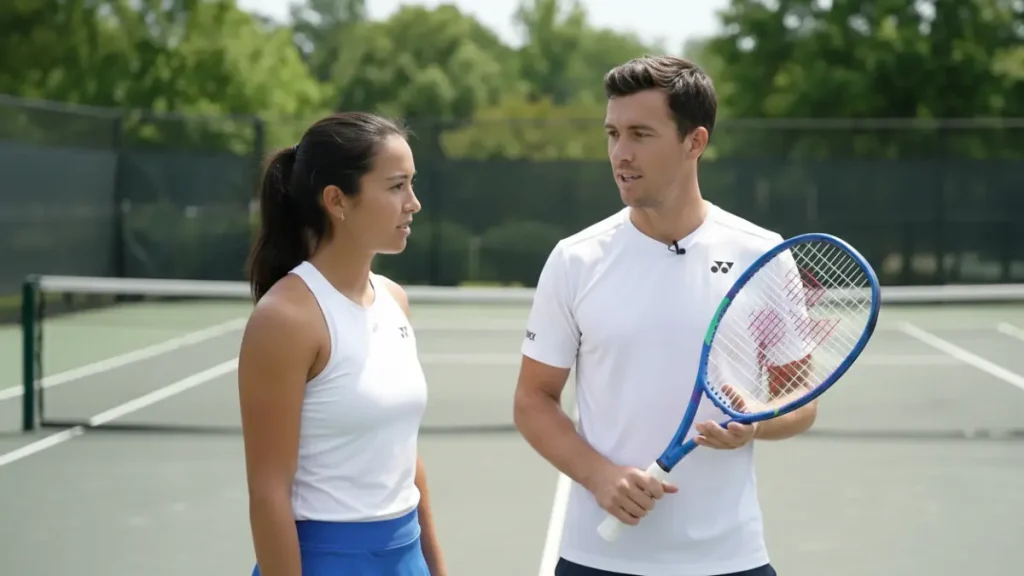
- NTRP Level: 3.0 to 4.5
- Playstyle: Aggressive baseliner, counterpuncher, or recreational doubles player.
- Stroke Mechanics: Compact to medium swing paths.
- Why it fits: If you need help generating depth or prefer a plush, modern, dampened feel, the EZONE's rigid power frame does the work.
Yonex Percept 100 Player Profile
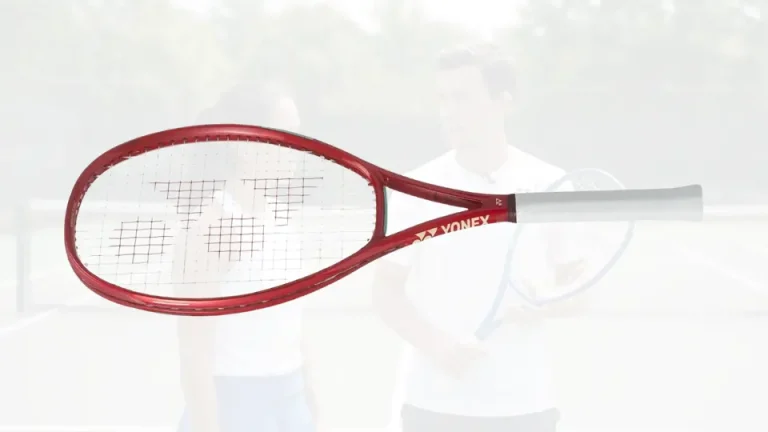
- NTRP Level: 4.0 to 5.5+
- Playstyle: All-court singles player, serve-and-volleyer, or doubles specialist.
- Stroke Mechanics: Full, fast swings with clean footwork.
- Why it fits: If you generate your own pace and demand ultimate control, touch, and frame flex, the Percept 100 delivers classic precision.
6. Summary Verdict: EZONE vs. Percept
- Choose the Yonex EZONE 100 if you want easy baseline power, explosive serve speed, a forgiving sweet spot, and a plush, modern feel.
- Choose the Yonex Percept 100 if you have a fast swing, prioritize control and precision, want a traditional, flexible feel, and like to finish points at the net.
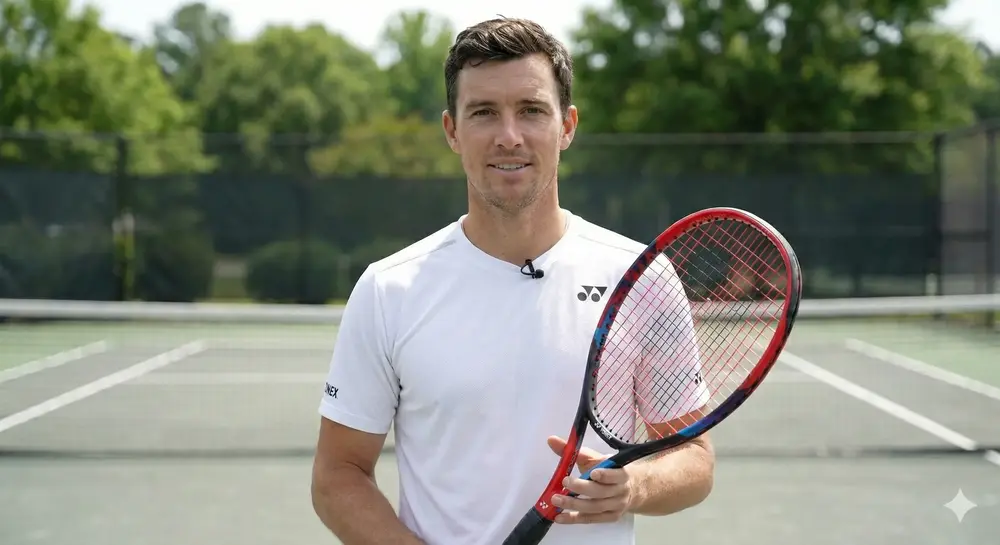
Chris Davies
Chris Davies conducts baseline tests and service velocity diagnostics to compare performance frames. His guides provide direct comparisons to help you select a racket based on NTRP metrics.
Read Editorial Standards & Ethics Policy →