7 Best Tennis Rackets of 2026: Tested & Reviewed
Chris Davies | Lead Gear Tester Last Updated: March 24, 2026
RacketEdge is reader-supported. When you buy through our links, we may earn an affiliate commission.

Had enough of guessing which racket will actually improve your game? You are not alone.
At RacketEdge, we believe specs only tell half the story. To find the true winners for 2026, we didn’t just read the manufacturers’ brochures, we took these frames to the court. We tested them for grip stability (no one likes blisters), arm comfort (goodbye, tennis elbow), and real-world power.
Whether you are a complete beginner learning your first forehand or an advanced player looking for surgical precision like Roger Federer, we found a match for you.
Our Testing Process
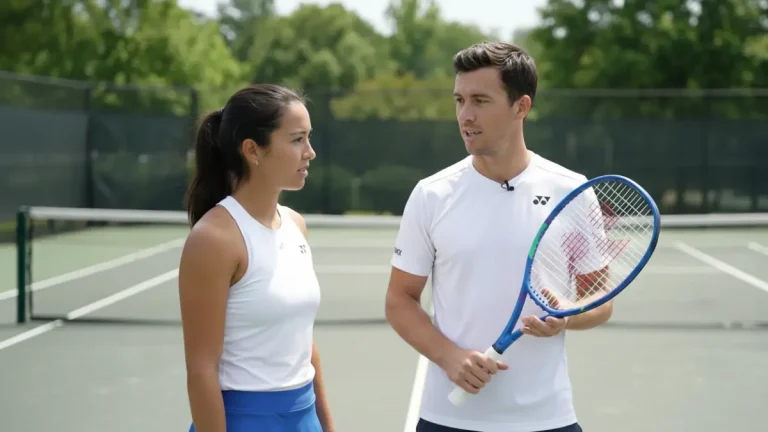
We don’t just weigh them. We play sets with them.
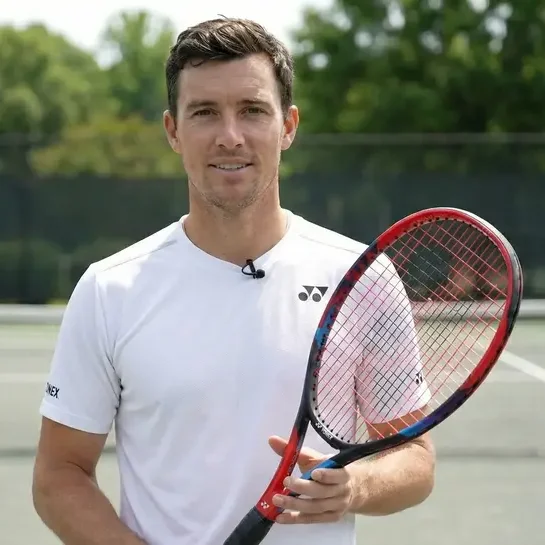
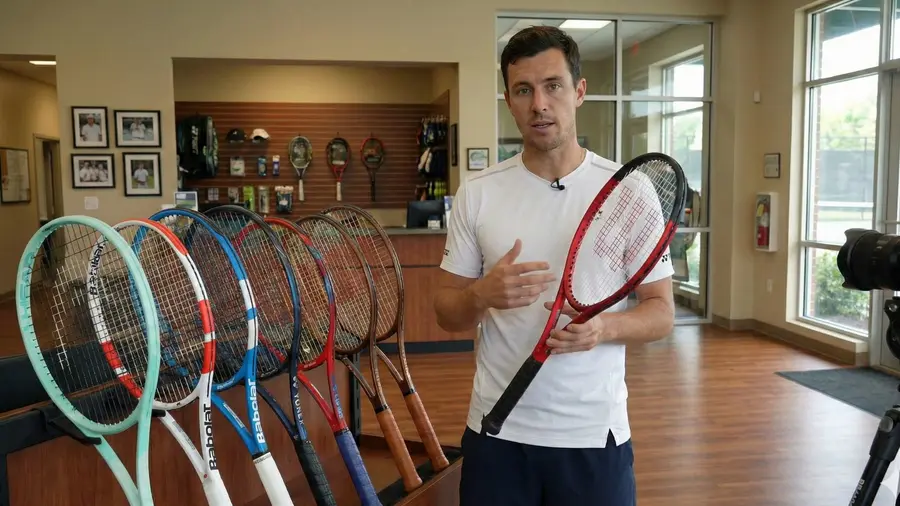
Caption: Testing the Wilson Pro Staff grip stability and handle comfort during our on-court sessions.
Quick Summary: The Winners
In a rush? Here are the top best tennis rackets by category.
| Category | Racket Model | Why We Picked It |
| Best for Pros | Wilson Pro Staff 97 v14 | Surgical precision & classic feel. |
| Best for Spin | Yonex VCORE 100 | Aerodynamic shape bites the ball. |
| Best for Comfort | Wilson Clash 100 Pro v2 | The most arm-friendly racket we tested. |
| Best Lightweight | Yonex EZONE 98L | Fast swing speed for rising players. |
| Best for Beginners | Babolat Pure Drive 107 | Massive sweet spot; very forgiving. |
| Best for Control | Babolat Pure Strike | Stable feel for aggressive baseliners. |
| Best Modern Feel | Head Boom MP | Easy power and soft feedback. |
1. Wilson Pro Staff 97 v14
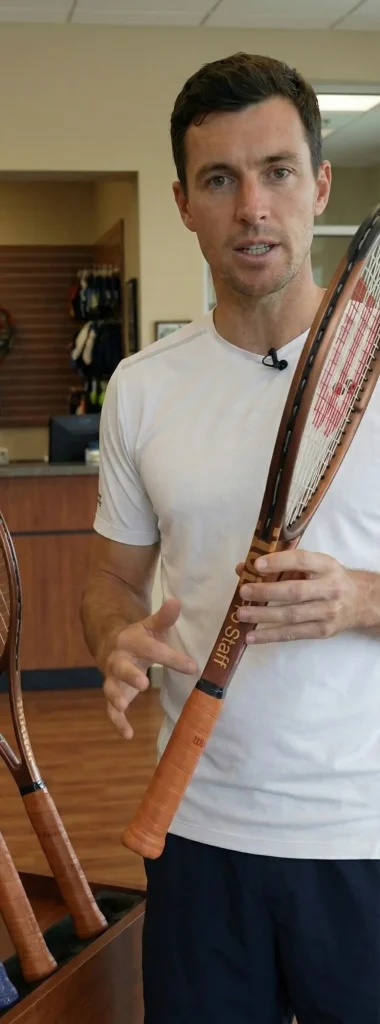
Best For: Advanced Professionals & Precision
Head Size
97 sq in
Weight
315g (11.1 oz unstrung)
String Pattern
16×19
How It Feels on Court?
The moment you pick up the Wilson Pro Staff 97 v14, you know it means business. This is a heavy, headlight frame designed for players who generate their own power.
On groundstrokes, the new “Braid 45” construction feels incredibly stable, the racket doesn’t twist in your hand, even when returning heavy serves.
The feedback is “crisp.” You know exactly where the ball is going the millisecond it leaves the strings. The String Mapping technology (denser in the middle) gave us surgical control on flat drives.
Who Should Buy It?
This is for the Attacking Player. If you have full, fast mechanics and want to paint the lines, this is your weapon.
Read Also: 5 Best Tennis Bags of 2026
The Downside
It is unforgiving. If you are late on your swing or hit off-center, the ball will drop short. Beginners will find it too heavy and “dead”.
2. Yonex VCORE 100
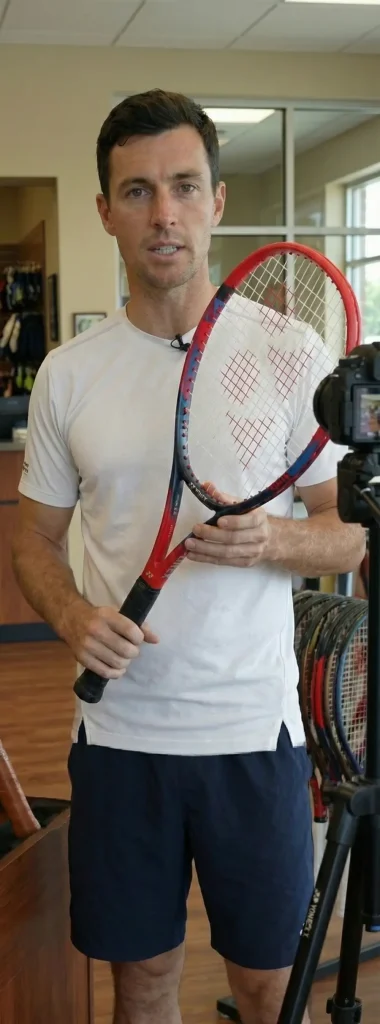
Best For: Intermediate Players & Spin
Head Size
100 sq in
Weight
300g (10.6 oz)
String Pattern
16×19
How It Feels on Court?
If you want to hit heavy topspin like the modern pros, the Yonex VCORE 100 is a cheat code. The frame shape is aerodynamic (it cuts through the air fast), and the “Namd” graphite flexes to snap the ball back with extra rotation.
During our playtest, we found it much more forgiving than the Pro Staff. The Isometric head shape (Yonex’s signature square top) makes the sweet spot feel massive. It offers “free power”, you swing, and the ball rockets off the strings deep into the court.
Who Should Buy It?
Intermediate players (3.5 – 4.5 level) who play from the baseline. If you want to push your opponents back with high-bouncing shots, this is for you.
The Downside
It can sometimes feel too powerful. If you have a flat swing, you might launch balls long until you adjust your string tension.
3. Wilson Clash 100 Pro v2
Best For: Arm Comfort & Injury Prevention
Head Size
100 sq in
Weight
310g (Unstrung)
Flexibility
Ultra-Flexible
How It Feels on Court?
The Wilson Clash 100 Pro v2 is unlike any other racket on this list. It is famous for one thing: Flex.
Thanks to the “FORTYFIVE” frame technology, the racket bends significantly upon impact. This creates an incredibly soft, plush feel that absorbs almost all vibration. If you have suffered from tennis elbow, this racket feels like a relief. Despite the flexibility, it remains stable enough for heavy trading at the baseline.
Who Should Buy It?
Players with sensitive arms or those who prefer a “buttery” soft feel over a crisp, stiff feeling.
The Downside
The unique flex can make volleying feel a bit vague. It lacks the “point-and-shoot” crispness of the Pro Staff.
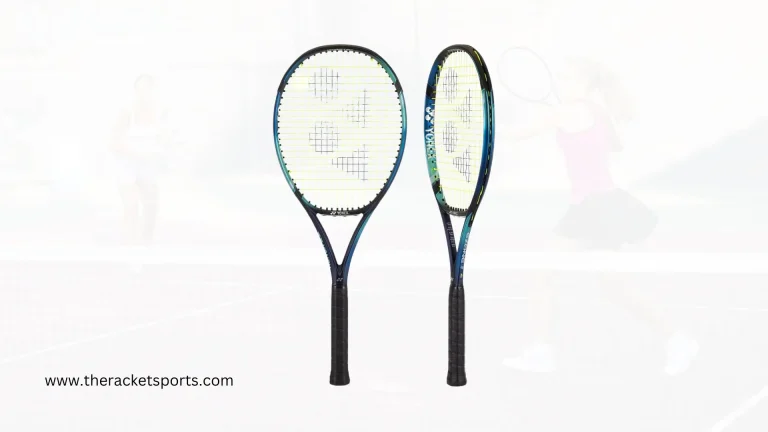
4. Yonex EZONE 98L
Best For: Rising Juniors & Lightweight Power
Head Size
98 sq in
Weight
285g (10.1 oz)
Balance
Head Light
How It Feels on Court?
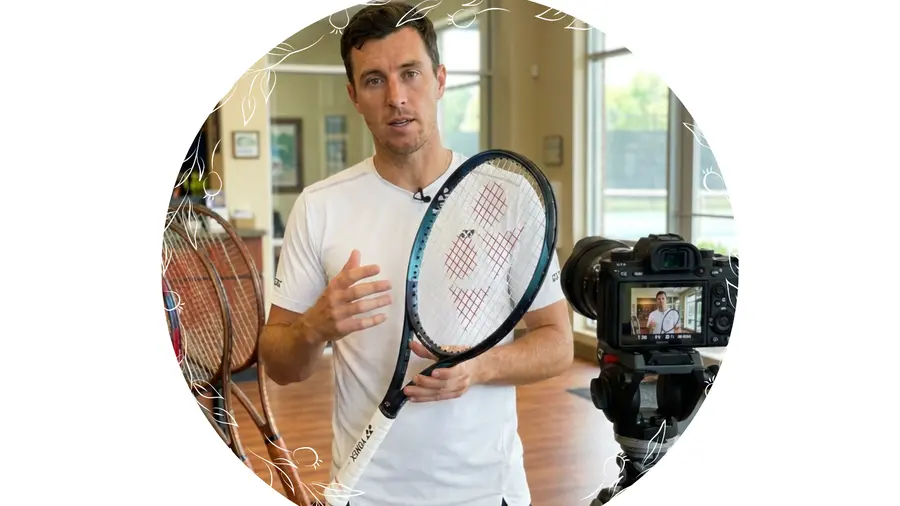
The “L” stands for Light, and you feel it immediately. At just 285g, the EZONE 98L is lightning fast through the air.
We found this perfect for “whip-like” swings. The M40X graphite in the throat gives it stability, so even though it’s light, it doesn’t wobble too much on impact. It is precise enough for volleys but powerful enough to hit winners from the back.
Read Our Yonex EZONE 100 (2026) Review
Who Should Buy It?
This is the perfect transition racket for a Junior player moving to their first adult frame, or an intermediate adult who wants speed without the heavy weight.
The Downside
Because it is light, it can get pushed around by very heavy hitters. You might feel some instability if you block a 100mph serve.
5. Babolat Pure Drive 107
Best For: Beginners & Power
Head Size
107 sq in (Oversize)
Weight
285g (10.0 oz)
Length
27.2 in (Extended)
How It Feels on Court?
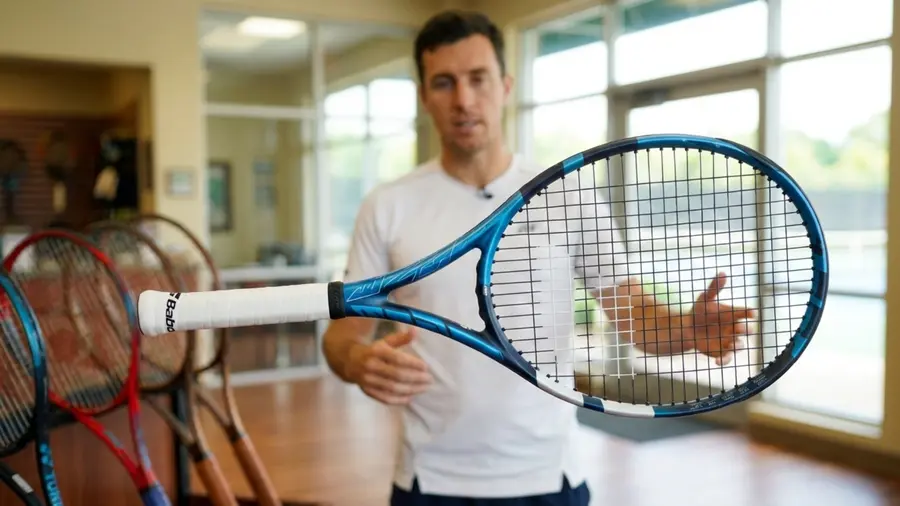
If you are just starting your tennis journey, the Babolat Pure Drive 107 is your best friend.
The oversized 107-square-inch head provides a massive “target.” You can miss-hit the ball and still get it over the net. We loved the “SMAC” technology, which dampens the vibration so it sounds solid, not tinny. Plus, the slightly longer handle gives you extra reach and leverage on your serves.
Who Should Buy It?
Beginners or doubles players who want easy power and a forgiving response.
The Downside
It offers very little control. If you take a big, fast swing, the ball will fly to the back fence. It is not for advanced players.
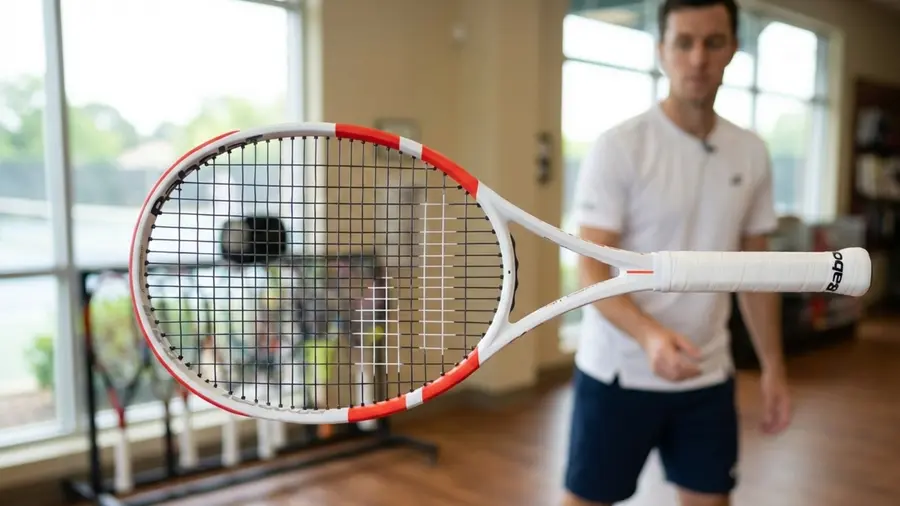
6. Babolat Pure Strike
Best For: Control & Aggressive Baseliners
Head Size
98 sq in
Weight
305g (10.8 oz)
String Pattern
16×19
How It Feels on Court?
Often called the “Project One7,” the Babolat Pure Strike is a modern control frame. It sits right between the power of the Pure Drive and the precision of the Pro Staff.
It has a hybrid frame shape that mixes square and elliptical beams, giving you stability without stiffness. On court, we found it perfect for “First Strike” tennis hitting a big serve and finishing the point with a forehand. It feels sharper and crisper than the Wilson Clash.
Who Should Buy It?
Aggressive baseliners (like Dominic Thiem fans) who want to hit the ball hard but keep it inside the lines.
The Downside
It is stiffer than the Wilson Clash, so if you have arm sensitivity, you might find it a bit firm.
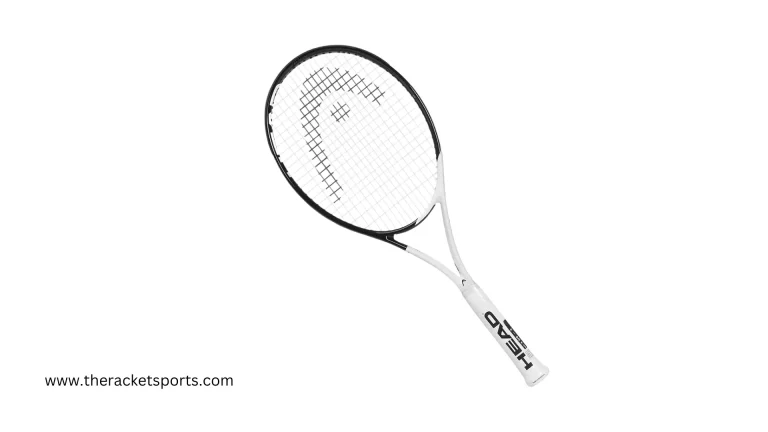
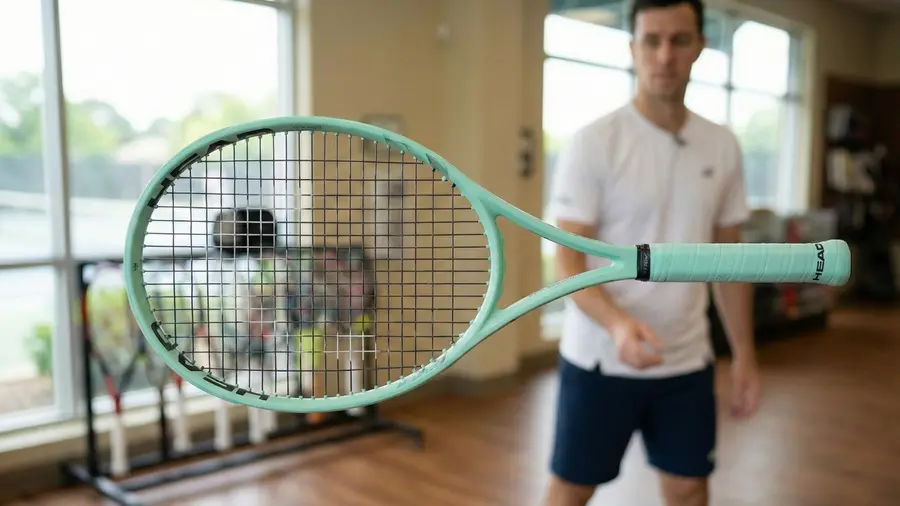
7. Head Boom MP
Best For: Modern Feel & Easy Playability
Head Size
100 sq in
Weight
295g (10.4 oz)
Tech
Auxetic Construction
How It Feels on Court?
The Head Boom MP is the “fun” racket of the bunch. It features a unique head shape that widens at the top, which is where most modern players make contact.
The “Auxetic” construction in the yoke gives it a sensational feel, it’s flexible but powerful. We found it exceptionally easy to swing. It doesn’t demand perfect technique; it just helps you get the ball over. It is a fantastic “all-day” racket that won’t tire you out.
Who Should Buy It?
Club players who play doubles and singles and want a racket that makes tennis feel easy.
The Downside
Like the VCORE, it can be a bit launching if you don’t use spin to bring the ball down.
Buying Guide
Know Yourself!
| What to see? | Beginner | Intermediate | Professional |
|---|---|---|---|
| Weight | 260-280g | 275-300g | 295-325g |
| Head Size | 100-110 sq inches (Large) | 98-100 sq inches | 97-100 sq inches (Small) |
| Balance | Head-heavy balance | Neutral or on the lighter side | Head-light balance |
| Power | High | Moderate | Moderate |
| Control | Low | Moderate | High |
| Playing Style | Forgiveness and Easy-to-use | Power, Moderate Accuracy, and Spin | Accuracy, spin, and Self-generated Power |
How to Choose?
Don’t get lost in the numbers. Here are the only 3 things that matter.
1. Head Size: The “Forgiveness” Factor
Think of head size like a dartboard.
- 100+ sq in (Oversize): A bigger board. Harder to miss. Great for Beginners (e.g., Pure Drive 107).
- 98 sq in or less (Midplus): A smaller board. Requires better aim but rewards you with pinpoint accuracy. Great for Pros (e.g., Pro Staff 97).
2. Weight: Stability vs. Speed
- Light (<285g): Easy to swing fast, but the racket will wobble if you block a hard shot.
- Heavy (>300g): Feels like a rock (stable), but will tire your arm out if you aren’t strong enough.
3. Grip Size: The “Blister” Test
Too small, and the racket twists (causing blisters). Too big, and you can’t snap your wrist (losing power).
- Quick Test: Hold the handle. You should be able to fit your pinky finger in the gap between your fingers and palm.
Final Verdict: Which One is For You?
If you are still stuck, here is my personal recommendation:
- For the ambitious improver: Go with the Yonex VCORE 100. It does everything well spin, power, and defense.
- For the pure beginner: Pick the Babolat Pure Drive 107. It makes learning tennis fun because you miss less shots.
- For the purist: If you have the skills, nothing feels as good as the Wilson Pro Staff 97.
See you on the court with your best tennis rackets!
FAQs
How do I know my grip size?
The fastest way is the “Pinky Test.” Hold the racket in your normal forehand grip. You should be able to fit your pinky finger in the gap between your fingertips and your palm.
> Too tight? The grip is too small (racket will twist).
> Too much space? The grip is too big (you can’t snap your wrist).
> Most men use 4 3/8 (#3) and most women use 4 1/4 (#2).
Which racket gives the most power?
In our testing, the Babolat Pure Drive and Yonex EZONE series consistently deliver the most “free power.” They have thicker frames that do the work for you. If you have a slow swing, these frames will help you hit the ball deep with less effort.
How often should I restringing my racket?
A good rule of thumb is to restring as many times per year as you play per week.
> Play 2x a week? Restring 2x a year.
> Play 5x a week? Restring 5x a year.
> Note: If you use polyester strings (like the pros), they go “dead” faster (usually 4–6 weeks).
Should I choose a heavier or lighter racket?
Beginners: Go lighter (under 300g). It helps you learn technique without tiring your arm.
Advanced: Go heavier (305g+). Mass = Stability. A heavier racket won’t wobble when you block a heavy serve, but you need the muscles to swing it.
What string tension should I ask for?
If you aren’t sure, ask for 53-55 lbs. This is the middle ground.
Want more Power? Go lower (48-52 lbs). The strings act like a trampoline.
Want more Control? Go higher (56-60 lbs). The string bed feels stiffer and more precise.